
Most roofing and construction projects require some level of custom fabrication. Whether the need is custom panels, trim and flashing, or specialty architectural components, custom metal fabrication gives contractors and builders the ability to get exactly what a project requires.
In this guide, the experts at Metal Formers, Inc. in Middle Tennessee walk you through everything you need to know about custom fabrication, including:
- What custom metal fabrication is
- The most common types of metal fabrication
- Popular custom fabrication solutions for roofing and construction
- Key factors that affect the cost of custom metal fabrication
- How the fabrication process works from design to finished product
- Metal fabrication in Middle Tennessee
What Is Custom Metal Fabrication?
Custom metal fabrication is a manufacturing process where raw materials are cut, shaped, welded, and formed into components to meet a project’s exact specifications. Roofing and construction are common industries that use custom metal fabrication. Sheet metal trades and specialty architectural applications also rely on custom metal fabrication.
In roofing and construction, custom metal fabrication typically involves producing custom flashing, trim, edge metal, coping, roof panels, and other specialty components designed for a precise fit. Unlike off-the-shelf materials that come in predetermined sizes and profiles, custom fabrication enables contractors and builders to order pieces to exact measurements, specific angles, transition points, and installation requirements.
The 3 Types of Metal Fabrication
Metal fabrication companies use different techniques. The exact workflow depends on the project, but most projects rely on three basic metal fabrication processes: cutting, forming, and assembling.
1: Cutting
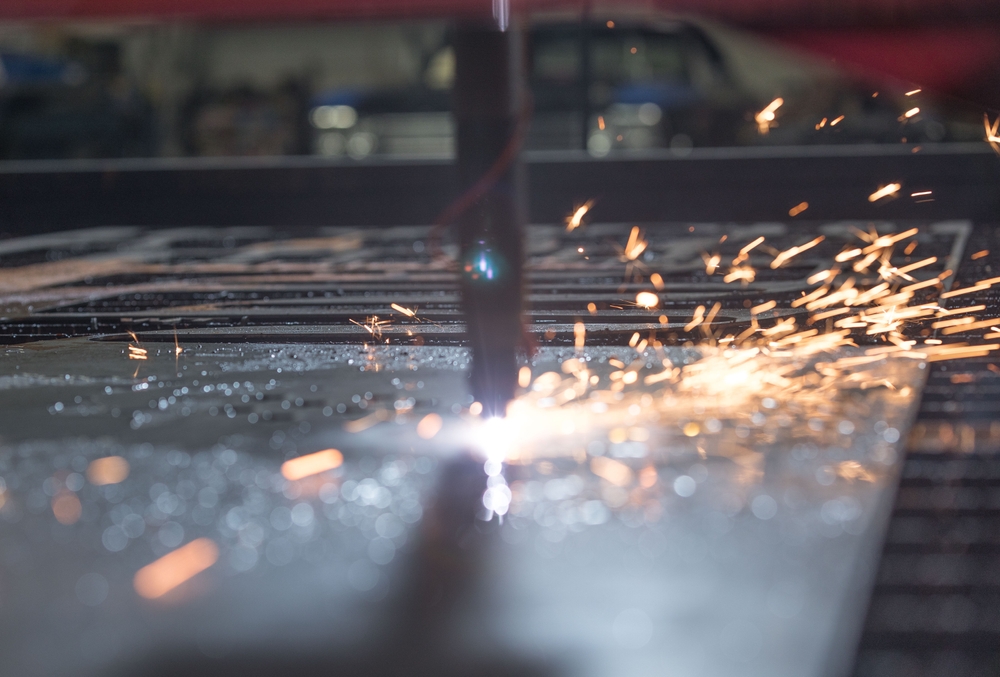
The first step in metal fabrication projects is cutting sheet metal to the exact dimensions required for the job. For roofing and sheet metal work, accurate cutting is essential, as even minor measurement errors can affect fit, alignment, and water management once the component is installed.
2: Forming/Bending
Once the metal is cut to size, it is formed into the required profile. Using specialized equipment such as brakes and roll formers, metal can be shaped to specific angles, folds, and profiles based on project drawings or field measurements. In roofing and construction, this step is where flat sheet metal becomes flashing, trim, coping, edge metal, fascia, or custom roof components.
3: Assembly
The final stage of custom metal fabrication is assembly. The goal is to ensure the finished product is ready for efficient field installation. Depending on the component, this may involve joining multiple fabricated pieces, finishing edges, and preparing the material for installation. In some applications, this step also includes quality checks to confirm measurements, bends, and fit before the component leaves the shop.
Popular Custom Fabrication Services for Construction and Roofing Projects
Custom Metal Roof Panels
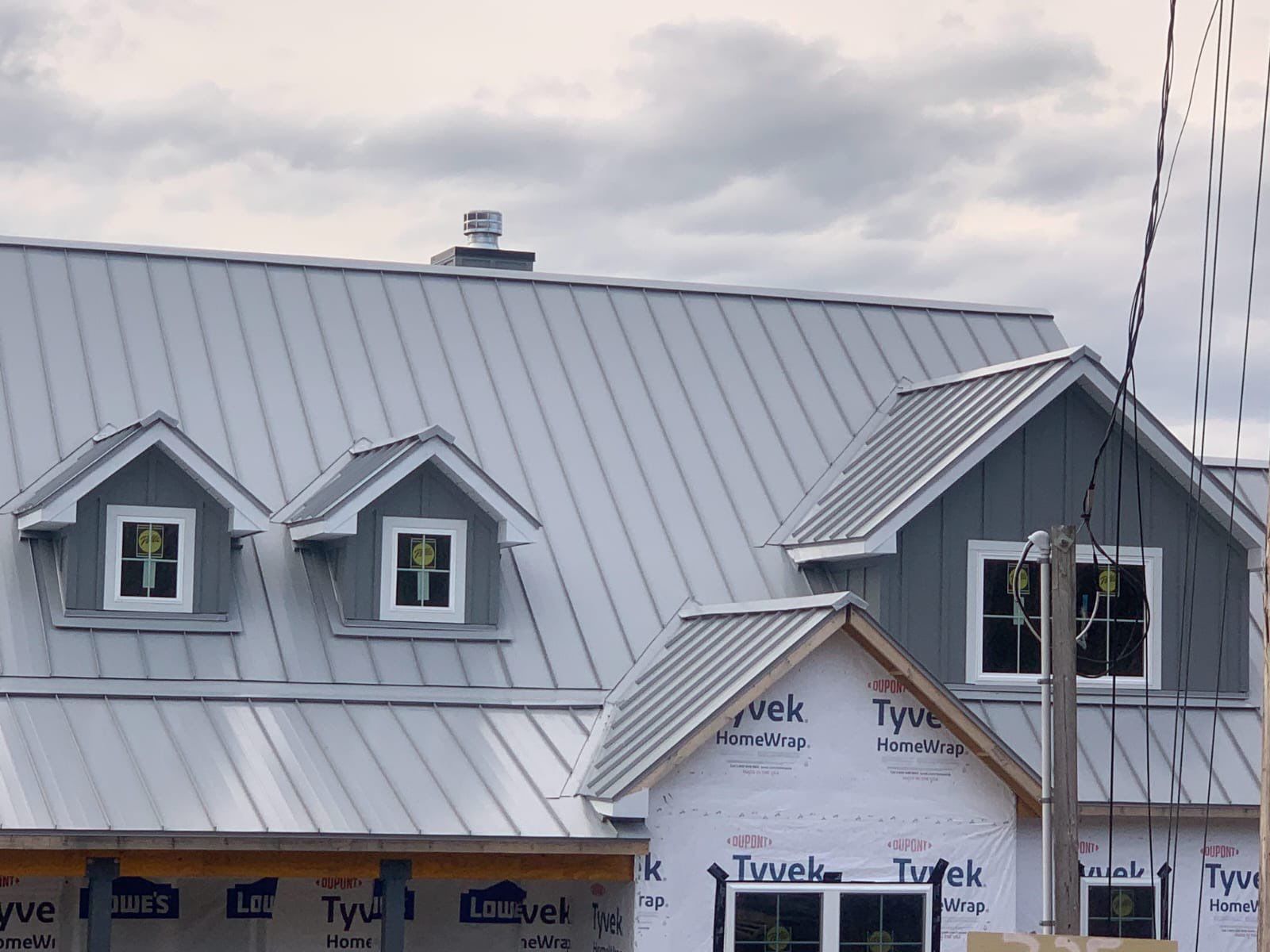
Custom metal roof panels are among the most common items in custom fabrication. Instead of relying on standard stock lengths and making multiple cuts in the field, custom metal roof panels can be fabricated to exact project dimensions.
Custom metal roof panels have several advantages, one of the biggest being reduced seams. Fewer panel joints across the roof can create a cleaner appearance and reduce the number of connection points to manage during installation.
Custom panels also speed installation. With panels cut to project-specific dimensions, crews spend less time modifying materials on site.
Custom Flashing
Custom flashing is a popular metal fabrication service used in roofing and exterior construction to help direct water away from vulnerable areas where different surfaces meet or where the roof is penetrated.
Common applications include:
- Chimney flashing (around chimneys and masonry transitions)
- Wall flashing (where roofing meets vertical walls or siding)
- Penetration flashing (around vents, pipes, skylights, and HVAC units)
- Transition flashing (between roof slopes, wall-to-roof transitions, or material changes)
Because these locations often feature unique dimensions and complex transitions, custom flashing is often the best option for a cleaner fit, more reliable water diversion, and a more efficient installation.
Roof Edge Metal and Trim
Roof-edge metal and trim are essential custom-fabricated components used to finish and protect the perimeter of a roofing system.
This includes components such as:
- Drip edge (installed along roof edges to help direct water away from the fascia and roof deck)
- Fascia trim (metal trim installed along the fascia board for edge protection and a finished appearance)
- Rake trim (used along the sloped edges of a gable roof)
- Coping (protective metal cap installed on parapet walls and raised edges)
- Parapet edge metal (used to protect and finish the perimeter edge of flat and low-slope roofs)
Roof edges and perimeter transitions are rarely standard, so these components are often custom-fabricated for a more secure, precise installation.
Specialty Sheet Metal Components
Beyond roofing panels and flashing, custom metal fabrication is also commonly used to produce specialty sheet metal components tailored to a project’s exact requirements.
Many metal accessories are needed for construction projects, including:
- Caps (chimney caps and other protective covers for wall edges, columns, posts, or parapet walls)
- Sleeves (metal components designed to fit around penetrations, pipes, or support elements)
- Covers (protective metal coverings for exposed transitions, joints, or mechanical elements)
- Brackets (custom support and mounting components for structural or architectural applications)
- Architectural accents (decorative or design-specific metal elements used to enhance the finished appearance)
Specialty metal components are used when standard components do not meet the project’s design or performance requirements.
What Are the Benefits of Custom Metal Fabrication?
Custom metal fabrication services give you complete control and oversight of the sheet metal fabrication process, offering numerous advantages over standard stock pieces, including:
Increased Quality and Durability
Custom-fabricated components are designed around the specific demands of the application, including dimensions, load requirements, environmental exposure, and installation conditions.
When properly fabricated and installed, this tailored approach can support improved durability and long-term performance compared with standard stock pieces that may not be designed for the same use case.
Precise Fit
Custom fabrication allows metal components to be produced to exact project measurements, angles, and profiles. This can help reduce alignment issues during installation and support cleaner transitions at roof edges, penetrations, walls, and other critical areas.
Faster Installation
Because components arrive fabricated to project specifications, crews often spend less time measuring, cutting, and modifying materials on site. This can help streamline the installation process and keep the project moving.
Better Long-Term Performance
When properly fabricated and installed, the precise fit of custom metal fabrication supports drainage, weather resistance, and system performance. Properly fitted transitions and edge details can also help reduce areas where water intrusion or premature wear can occur.
Reduced Material Waste
Using project-specific dimensions improves material efficiency by reducing excess cuts and leftover offcuts that might otherwise occur when modifying standard stock materials in the field.
Cost-Effectiveness Over Time
Custom fabrication may require a higher upfront investment, but depending on the material and project complexity, it can often be more cost-effective in the long run.
Components fabricated to exact project specifications can help reduce installation issues, field modifications, and premature replacement due to poor fit or performance limitations.
What Affects the Cost of Custom Metal Fabrication?
The cost of custom metal fabrication varies depending on the project scope, materials used, and level of customization.
Because each piece is fabricated to project-specific requirements, pricing is typically based on several key factors rather than a flat per-piece cost, including:
- Material Type: Common sheet metal fabrication materials include galvanized steel, aluminum, and stainless steel. Each has different material costs and performance characteristics. Thickness also affects cost. Heavier gauges or thicker material often require more raw material and may involve additional labor or equipment, which can drive up costs.
- Design Complexity: Components with multiple bends, custom profiles, tight tolerances, or unusual shapes generally require more shop time and more precise fabrication. Simple straight-edge trim pieces typically require less labor than custom transitions, specialty brackets, or architectural components with multiple formed angles.
- Project Size and Quantity: One-off custom pieces are often priced differently than repeat production runs or larger contractor orders. For contractors managing multiple projects, larger quantities may help streamline production and improve efficiency within the fabrication process.
- Finishing Requirements: Coatings, painted finishes, deburring, edge work, or other finishing steps may be required before the component is ready for installation. The exact cost impact depends on the material, finish type, and level of prep work required.
- Turnaround Time: Projects that require rush fabrication or expedited turnaround may involve additional labor scheduling and shop prioritization, which can affect overall pricing.
Custom Metal Fabrication Guide: From Design to Finished Product
Custom metal fabrication generally follows a step-by-step process that begins with design and measurements and ends with a finished component ready for installation.
Design, Specifications, and Measurements
Every custom fabrication project starts with a clear understanding of the design requirements. This includes project drawings, exact dimensions, field measurements, and the intended application of the finished component.
At this stage, material selection is also finalized based on the project’s performance requirements, design needs, and installation environment.
Execution and Fabrication of the Product Design
Once specifications are confirmed, the fabrication process begins. This stage typically includes cutting, bending, forming, and shaping the metal to match the approved design and project measurements.
Depending on the component, this may involve straight cuts, multiple bends, custom profiles, and specialty-formed shapes.
Assemble, Finish, and Prepare for Installation
The final stage includes assembly, where needed, edge finishing, and quality checks to confirm that the fabricated piece meets the project specifications.
At this point, components are prepared for contractor pickup, delivery, or installation so they arrive ready for the next phase of the project.
How to Choose the Right Fabrication Shop
Choosing the right metal fabrication shop can significantly improve project quality, turnaround time, and overall installation efficiency.
Beyond pricing, it is important to work with a fabrication shop that understands your industry, your project requirements, and the level of precision needed for the finished product.
Ensure Your Metal Fabricator Has Experience in Your Industry
Industry-specific experience can help support a better fit, more accurate fabrication, and a smoother installation process.
For roofing and construction projects, it is important to work with a fabrication partner that understands roofing systems, edge conditions, transitions, flashing requirements, and field measurements.
Confirm In-House Capabilities and Advanced Equipment
Some fabrication shops outsource portions of the production process, which can affect consistency, lead times, and quality control.
To help ensure precision, faster turnaround, and greater oversight, custom metal fabrication should be performed in-house using advanced specialty equipment such as brakes, shears, roll formers, and recoilers.
Understand Lead Times and Turnaround
Construction and roofing projects often operate on strict timelines, making lead times and turnaround an important part of the decision-making process. Delays in fabrication can impact installation schedules, labor coordination, and overall project deadlines.
Before selecting a fabrication shop, ask about typical lead times, rush-work availability, and how quickly the shop can support repeat orders or project changes.
Strong Communication
A reliable metal fabrication business should be able to communicate clearly about measurements, specifications, timelines, and any issues that may affect the finished product.
Strong communication throughout the process can help reduce delays, prevent measurement errors, and support a smoother installation in the field.
Custom Fabrication with Metal Formers, Inc. in Nashville, TN
For contractors, builders, property owners, and business owners in Nashville and the surrounding Middle Tennessee region, Metal Formers, Inc. is the trusted choice for in-house custom metal fabrication, delivering precision-crafted solutions that support a cleaner fit, faster installation, and reliable long-term performance.
At Metal Formers, Inc., every project can be built around your exact specifications. From custom flashing and trim to made-to-length metal panels and specialty metal components.
Whether you need a single custom piece or materials for a larger roofing or construction project, our in-house capabilities and advanced equipment, combined with a team with extensive knowledge of Middle Tennessee’s building codes and specific needs, provide everything you need to get exactly what the job requires.
Contact Metal Formers, Inc. today to request a quote or speak with our team about your custom fabrication needs.



Leave A Comment