

As metal roofing grows in popularity, builders and property owners have several panel types to meet various structures, installations, and performance needs.
This guide from the metal roofing experts at Metal Formers, Inc. covers what metal panels are for, their pros and cons, common metal panel types and typical uses, and how contractors in Middle Tennessee can source custom metal panels and trim components for their projects.
What is the Purpose of Metal Panels?
Metal roof panels serve as a tough outer layer protecting buildings from rain, wind, snow, and temperature swings. Proper installation with underlayment aids runoff and provides strength, weather protection, and support.
Since metal panels are made from stiff sheets with designed seams or ribs, they’re popular in homes and businesses, as well as on farms and in factories, where durability, low maintenance, and long life matter.
Pros and Cons of Metal Panels
Metal panels are popular for their durability, longevity, and resistance to severe weather. However, factors like cost, installation, and building design influence roofing material choices.
Advantages of Metal Roofing Panels
- Long service life: Many metal roofing systems can last decades longer than traditional roofing materials, depending on the material, coatings, and and installation.
- Durability in severe weather: When installed correctly, metal roofing panels can withstand strong winds, heavy rain, and other harsh conditions such as hail, ice, and snow.
- Energy performance: Some panels feature reflective coatings that reduce solar heat gain. In warm areas, this keeps buildings cooler with good insulation and ventilation.
- Environmental considerations: Many metal roofing materials contain recycled content and can often be recycled after use, making them a good choice for sustainability-focused projects.
- Impact resistance: Certain metal roof panel systems offer strong resistance to hail and other impacts. Performance varies by panel gauge and material, but metal roofing panels are often selected in storm-prone regions for their durability.
- Fire resistance: Most metal roofing is noncombustible and, with proper installation, can meet Class A fire rating requirements.
Considerations Before Choosing Metal Roof Panels
- Higher initial cost: Metal roofing often costs more upfront than asphalt shingles, but its longer lifespan and fewer replacements can make it more cost-effective over time.
- Thermal expansion and contraction: Metal panels expand and contract with changes in temperature. Proper installation allows movement without damage.
- Potential for cosmetic denting: Softer metals like aluminum or copper may dent from large hail or debris. Choosing appropriate material and design lowers this risk.
Concerns about noise come from older barn-style roofs. Modern metal roofs with quality underlayment and insulation are not significantly louder than asphalt roofs.
Which Metal Roof Panel Is Right for Your Project?
Metal roof panel choice depends on building type, roof structure, installation, and performance needs. Several types are used in residential, commercial, agricultural, and industrial construction.
Understanding panel types helps contractors and property owners pick the best roofing system for their project.
Types of Metal Roof Panels and Projects Where They Are Commonly Used
The most common metal roof panels are standing seam, R-Panel, PBR, U-Panel, corrugated, and 5V-Crimp panels.
Each panel type features a unique fastening system and profile, impacting installation, performance, appearance, and typical applications.
The five most widely used metal roof panel types are:
1: Standing Seam Metal Roof Panels
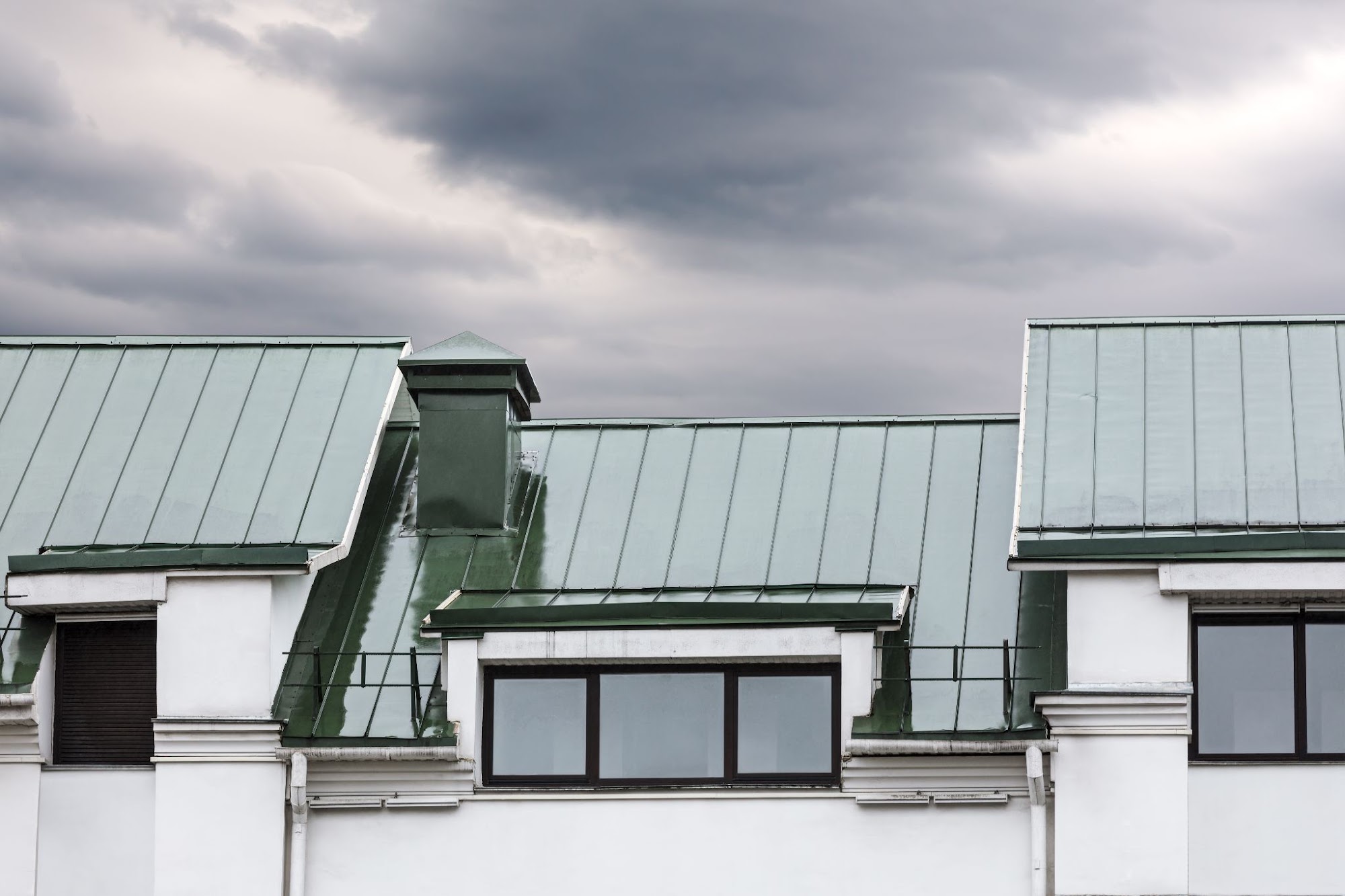
Standing seam metal roof panels are vertical roofing panels that connect along raised seams with concealed fasteners. The fastening system is hidden beneath the seams, creating a clean architectural appearance and protecting fasteners from direct weather exposure.
Thanks to their hidden fasteners and sleek look, standing seam panels are often chosen for projects that need durability, weather protection, and long-lasting performance, like:
- Residential roofing systems
- Architectural commercial buildings
- Modern or contemporary building designs
2: R-Panel and PBR Metal Roof Panels
R-Panel metal roof panels use exposed fasteners and a trapezoidal rib for strength and easier installation. PBR panels are similar but add a bearing leg for extra purlin support in metal buildings.
Because they’re strong and easy to install, R-Panel and PBR profiles are popular for:
- Commercial and industrial buildings
- Warehouses and manufacturing facilities
Large metal building systems
3: U-Panel Metal Roof Panels
U-Panel metal roof panels, another exposed-fastener profile, feature ribbed channels. Compared to R-Panel, U-Panel typically has lower ribs and is suited to buildings that do not require heavy structural spans.
U-Panels are often picked for projects needing durable metal roofs that are easy to install, like:
- Agricultural buildings
- Utility structures and workshops
- Smaller commercial or residential outbuildings
4: Corrugated Metal Roof Panels
Corrugated metal roof panels have a repeating wave pattern for strength and low weight.
Corrugated panels are commonly used for:
- Agricultural buildings
- Storage structures and sheds
- Rustic or industrial architectural designs
The distinct look of corrugated metal panels also makes them popular for siding and architectural accents.
5: 5V-Crimp Metal Roof Panels
5V-Crimp metal roof panels with five V-shaped ribs are exposed-fastener panels. Their classic design balances durability and easy installation for homes and farms.
Typical applications for 5V-Crimp metal roofing panels include:
- Residential metal roofing
- Porches and smaller roof structures
- Agricultural buildings
As with other exposed-fastener panels, proper installation and sealing ensure lasting performance.
Other Metal Roof Panel Options: Materials, Colors, Finishes, and Coatings
Besides type and shape, metal panels are available in various materials, colors, finishes, and coatings, which affect durability, corrosion resistance, and appearance.
Common Metal Roofing Panel Materials
- Steel: The most common material for metal roof panels in homes, businesses, and farms. Steel panels usually have corrosion-resistant coatings, such as galvanized steel or Galvalume, to protect against moisture.
- Aluminum: Lightweight and corrosion-resistant, often used in humid or moist environments since it doesn’t rust.
- Copper: Known for its long lifespan and distinctive appearance. Over time, copper develops a natural patina that changes its color.
Popular Metal Roof Color Categories
Modern panels come in a wide range of colors and finishes, such as:
- Neutral tones such as black, charcoal, gray, and bronze
- Classic colors like red, green, and brown
- Metallic finishes designed to resemble copper, zinc, or other natural metals
In Middle Tennessee, darker neutral colors like black, charcoal, and gray are especially popular for residential metal roofs.
Common Metal Roof Finish and Coating Options
- PVDF (Kynar 500®): A premium coating system known for strong fade and chalk resistance.
- SMP (Silicone Modified Polyester): A durable and cost-effective coating commonly used in residential and commercial metal roofing.
- Polyester coatings: A standard coating option used in many metal panel systems.
Metal roof panels are available in matte, gloss, and textured finishes for a customizable style.
Click here for more information and frequently asked questions about metal roof colors and finishes.
How to Choose the Right Metal Roof Panel for Your Project
Picking the right metal roof panel depends on factors such as building type, roof slope, installation method, and long-term performance. Your project’s structure, budget, and needs all matter.
In general:
- Standing seam metal roof panels are often selected for residential homes and architectural projects where appearance and long-term durability are priorities.
- Exposed-fastener panels, such as R-Panel, U-Panel, or corrugated metal panels, are commonly used for commercial buildings, agricultural structures, workshops, and utility buildings where cost efficiency and straightforward installation are important.
Comparing Metal Roof Panel Types: A Quick Reference
Choosing the right panel comes down to balancing performance, budget, and aesthetics. The table below sums up the main differences.
| Metal Roof Panel Type | Best For | Key Advantage |
| Standing Seam | Residential homes, architectural buildings | Concealed fasteners and clean appearance |
| R-Panel / PBR | Commercial and industrial buildings | Strong structural performance |
| U-Panel | Agricultural buildings and workshops | Cost-effective exposed fastener system |
| Corrugated / 5V-Crimp | Residential accents, barns, sheds | Traditional appearance and easy installation |
Common Applications for Metal Panels Besides Roofing
Metal panels are mostly used for residential and commercial roofing, but they also appear in other building and design uses, like:
- Exterior siding and wall cladding
- Agricultural and utility buildings
- Architectural accents or decorative features
- Interior design elements such as feature walls or ceilings
Metal Roof Panel FAQ
What goes under metal roofing panels?
Metal roof panels are installed as part of a full roof system, which usually includes a solid base, protective underlayment, radiant barriers, and insulation or ventilation. Trim, flashings, and sealants are installed around edges and openings to keep water from entering seams and joints.
What kind of insulation goes under a metal roof?
There are several insulation options for metal roofs. Common types include fiberglass batt, rigid foam board, spray foam, and reflective insulation. The best choice depends on the building design, climate, and whether the roof has an attic or exposed framing.
Do metal panels rust?
Most modern metal roofing panels are manufactured with protective coatings designed to resist corrosion. However, like most building materials, metal panels can corrode over time if their protective coating is damaged or if they are exposed to harsh environmental conditions. Proper installation and routine inspections help maintain the protective finish and extend the roof’s life.
Do metal roofs attract lightning?
No. Metal roofs don’t attract lightning more than other roofing materials. Lightning usually hits the highest point in an area and follows a path to the ground, not a specific roofing material.
Do you need an air gap under a metal roof?
Not all building codes require an air gap, but it’s usually recommended. The best method depends on the roof design, insulation, manufacturer instructions, and climate. Putting metal panels directly on a solid deck without a gap can work in very dry areas, but in most places, skipping the gap causes moisture and heat issues.
Do you need a vapor barrier under a metal roof?
A vapor barrier or vapor retarder is often used to help control moisture moving from inside the building toward the roof system. Whether a vapor barrier is required depends on several factors, including:
- Climate conditions
- Interior humidity levels
- Insulation type and placement
- Building design
In many homes, underlayment and good attic ventilation help manage moisture. But buildings with high indoor humidity, such as farms or industrial sites, might need additional vapor control.
Which metal roofing sheet is best?
The best metal roofing panel depends on your roof pitch, budget, climate, and aesthetic goals. For maximum performance and longevity, standing seam is the best for homes and businesses. For tighter budgets, R-panel and corrugated panels offer reliable performance at a lower price.
Where to Source Metal Roof Panels in Middle Tennessee | Metal Formers, Inc.
For contractors, builders, and property owners in Middle Tennessee, working with a trusted, local fabrication shop like Metal Formers, Inc. can simplify metal roofing and construction projects.
Metal Formers manufactures metal roof panels in custom lengths that reduce seams and speed up installation. We also offer custom trim and flashing, underlayments, chimney caps, and other contractor-grade roofing accessories needed to properly finish a metal roof, such as clips, caulk, screws, and more.
If you need metal building or metal roofing products for your next project, contact Metal Formers, Inc. to request a quote or speak with our team. We supply contractors nationwide and fabricate custom sheet metal components for a wide range of construction projects.




Leave A Comment