

Metal roofs are often misunderstood as noisy, rusty, and expensive. But those beliefs are based on older metal roofs, which are very different from today’s metal roofing systems. A properly installed modern metal roof is engineered to be durable, quiet, and a significant long-term value for homes and businesses across Middle Tennessee.
In this article, the metal roofing experts at Metal Formers, Inc., bust the most common metal roof myths, explain what is really true, and discuss what actually affects performance over the life of a metal roof.
Why Are There Myths About Metal Roofing?
Most metal roof myths about noise, rust, and lightning come from old tin and corrugated panels on barns, sheds, and uninsulated buildings. Those roofs often had exposed framing, minimal underlayment, and no insulation, so they behaved very differently from properly installed metal roofs on homes and businesses today.
Unfortunately, that old reputation has stuck, despite modern metal roofs being complete systems with flashing, panels, trim, underlayment, fasteners, insulation, and ventilation, engineered and installed very differently from the thin, exposed metal roofs that created many of these outdated myths.
Myth 1: Metal Roofs Are Noisy During Storms
Homeowners often picture loud, echoing rain on a bare metal barn roof and assume a metal roof on their home will sound the same. The truth is that a properly installed metal roof over a finished structure is not noticeably noisier than an asphalt shingle roof during rain or hail. In some cases, the sound inside a home with a metal roof can even be quieter than in homes with other roofing materials.
Whether it’s a residential home or a commercial building, the metal panels used today are installed over roof decking, underlayment, and insulation, and separated from living spaces by attic or ceiling assemblies. Those layers work together to absorb and dampen sound.
The factors that actually affect noise are:
- Roof decking type and thickness
- Underlayment and insulation choices
- Attic depth and interior ceiling construction
- Panel profile and fastening method
Bottom line: If noise is a concern, the solution is not avoiding metal roofing. It is working with a trusted local roofing contractor and sheet metal fabrication shop that understands how proper panels, installation, underlayment, insulation, and roof design contribute to sound control.
Myth 2: Metal Roofs Rust
Another persistent metal roof myth is that they eventually rust. It is true that older, uncoated panels or poorly maintained roofs can show rust, but that’s not how modern metal roofing is built or specified. When installed and maintained correctly, today’s metal roofs are built to provide decades of service without rusting.
Rust usually appears when protective coatings are damaged, edges are improperly treated, or lower-quality materials are used in harsh conditions. Today’s metal roofing systems use galvanized steel, Galvalume, or aluminum substrates with factory-applied coatings and paint systems designed to resist corrosion and weathering.
Factors that actually affect rust resistance include:
- Base metal choice (galvanized, Galvalume, aluminum)
- Quality of factory coatings and paint systems
- Proper cutting, handling, and fastening during installation
- Routine inspection and maintenance in high-exposure areas
Bottom line: Rust is not inevitable with metal roofing. It is largely a product and installation issue that can be minimized by using quality panels and trims from a trusted supplier and proper installation by an experienced roofer.
Myth 3: Metal Roofs Are Expensive to Replace
The idea that metal roofs are too expensive to replace usually comes from comparing only the upfront cost. While a metal roof can cost more to install than shingles, replacement cost should be measured over the roof’s full lifespan, not just the first invoice.
Metal roofing is designed for longevity. A properly installed metal roofing system typically lasts 40 to 70+ years, with premium materials known to exceed 100 years, which is significantly longer than shingles, which may need to be replaced more frequently depending on the product and weather conditions.
When you factor in the longer service life of a metal roof, reduced maintenance, and stronger performance in severe weather, it is actually the most economical roofing material, with significant savings over time.
Things that actually affect roof replacement cost and value include:
- Expected lifespan of the roof system
- Frequency of repairs or storm-related replacements
- Energy efficiency and potential cooling-cost benefits
- Impact on property value and curb appeal
Bottom line: While the initial investment of a metal roofing system may be higher than shingles, a well-selected and properly installed metal roof is not “expensive to replace” in the long run. In fact, it often reduces the need to think about replacement altogether.
Myth 4: Metal Roofs Make Homes Hotter
It is understandable why some assume metal makes a home hotter, especially in Middle Tennessee, where it can be hot and humid. However, modern metal roofs are designed to do the opposite, reflecting solar heat rather than trapping it.
Modern metal roofing systems use reflective pigments and cool-roof coatings to reduce heat gain by reflecting more sunlight back into the atmosphere. Compared with darker, heat-absorbing materials, a properly specified metal roof can help lower roof surface temperature and, combined with good attic ventilation and insulation, contribute to a more comfortable and energy-efficient home.
Bottom line: Metal roofs do not automatically make homes hotter. In fact, the right metal roof can be part of your thermal control strategy rather than a source of heat.
Myth 5: Metal Roofs Attract Lightning
“Will a metal roof attract lightning?” is a common question, especially in storm-prone regions like Middle Tennessee. The truth is, metal roofing does not attract lightning.
Lightning is driven by storm conditions and geography, not the presence of metal roofing. Therefore, installing a metal roof does not increase the chances that your home will be struck any more than any other properly constructed roofing material.
If a lightning strike occurs, metal roofing can be a safer choice because it is noncombustible and, when properly grounded, can help dissipate electrical energy, reducing the risk of a roof fire.
Bottom line: Metal is conductive, but that does not make it a lightning magnet. For most homeowners, lightning risk is better addressed through whole-house protection strategies rather than by avoiding a particular roof material.
Myth 6: Metal Roofs Dent Easily in Hail
Hail is a legitimate concern in parts of Tennessee. Very large or severe hail can damage any roof, but the idea that hail will automatically ruin a metal roof is an exaggeration.
Quality steel panels on modern metal roofs are thick and tested for impact resistance. So, while large hail may cause cosmetic imperfections, that doesn’t mean it will compromise the roof’s ability to shed water and protect the structure beneath.
Factors that actually affect how a metal roof will hold up with hail include:
- Panel gauge (thickness)
- Panel profile and rib design
- Substrate and support underneath the panel
- Angle and size of hail impact
Bottom line: No roof is immune to hail damage, so it is true that metal roofs can potentially dent under severe impact. However, the claim that they dent easily is a myth. Today’s metal roofing systems are designed to minimize damage and protect the roof system beneath from more serious functional damage.
Myth 7: Metal Roofs Are Too Heavy For Homes
Because metal is associated with strength, some assume a metal roof is too heavy for a residential structure. In reality, many metal roofing products are lightweight and can be comparable to, or even lighter than, traditional roofing materials like tile, slate, or some shingles.
The lower weight of a metal roof can actually reduce stress on the structure over time and may be an advantage in re-roof projects, especially when local codes and structural conditions are evaluated before installation.
Bottom line: Metal roofs are not automatically “too heavy” for residential structures. In many cases, they can actually be lighter than other premium roofing materials while still providing exceptional long-term performance and durability.
Myth 8: Metal Roofs Cannot Be Installed Over Shingles
Another common myth about metal roofs is that installing one always requires tearing off existing shingles. In some cases, this is true if local codes and roof conditions require a full tear-off. But with proper preparation, metal roofing can be installed over an existing shingle roof.
This type of overlay installation is common on reroofing projects because it can reduce tear-off labor and material waste. However, it requires careful attention to weight, ventilation, and substrate condition. A professional evaluation is the best way to determine the appropriate approach for a project.
Bottom line: Installing a metal roof does not always require removing the existing shingles first. In many reroofing situations, an overlay installation may be possible, but the right approach depends on the roof’s condition, local code requirements, and the method of installing the new system.
Myth 9: Metal Roofs Interfere with Cell Service or WiFi
This myth stems from the fact that metal can reflect and absorb radio waves, which is true, but you would need a nearly complete metal enclosure, including the roof alone, to create a true “dead zone.”
Wi‑Fi quality depends on your internet provider, modem and router setup, and your home’s layout. Cell reception is primarily determined by distance to the nearest tower, signal strength, and surrounding obstacles.
Bottom line: A metal roof is not a primary factor in determining your phone or internet performance. For most Middle Tennessee homes, signal strength and equipment setup matter far more than what is on top of the house.
Myth 10: Metal Roofs Are Only For Barns and Commercial Buildings
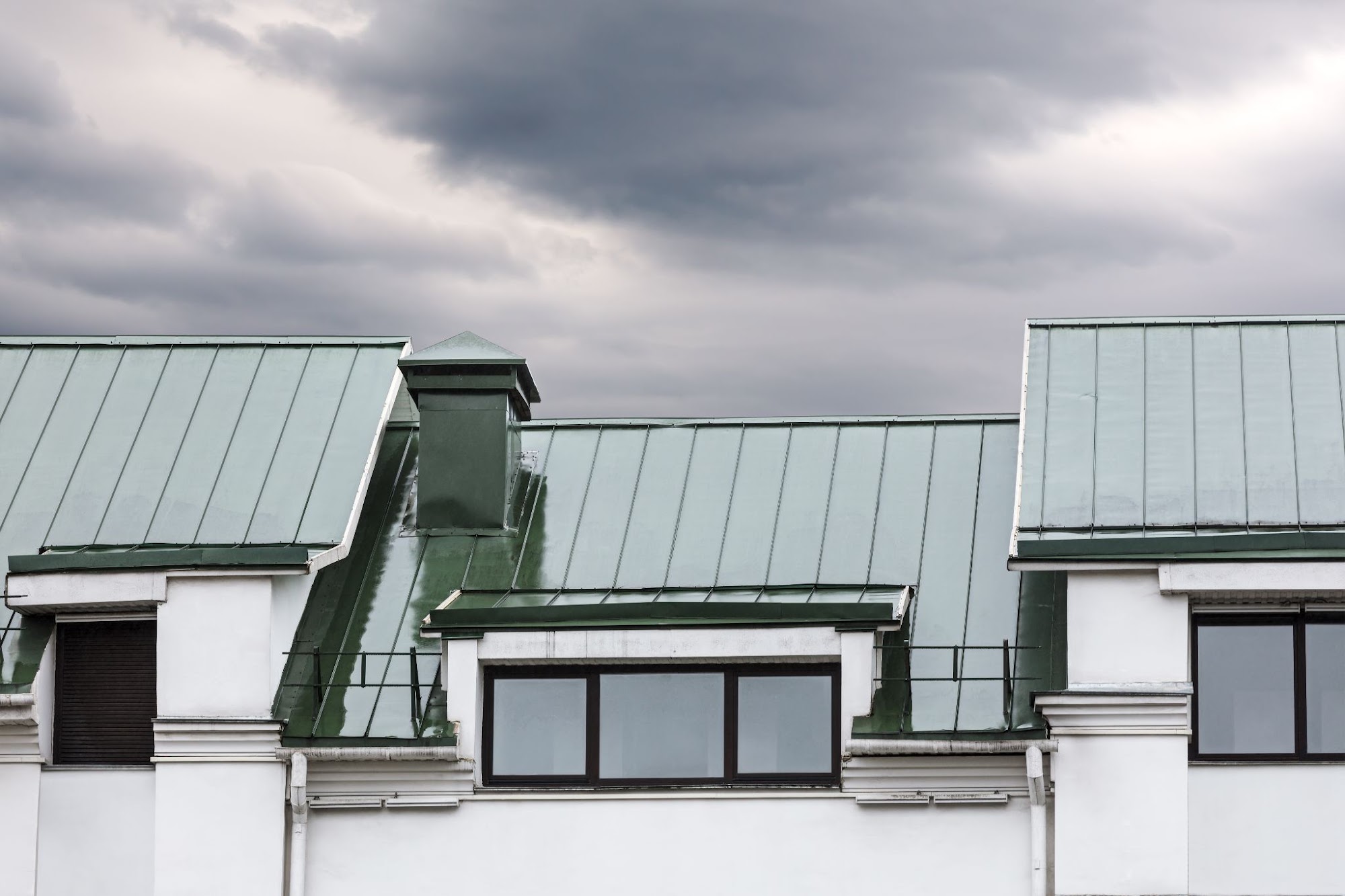
Decades ago, metal roofing was most commonly associated with barns and industrial buildings, so it is understandable that some people think a metal roof “doesn’t fit” on a home. However, in 2026, that is far from the truth. Manufacturers offer a wide range of colors, finishes, and panel designs that enhance curb appeal rather than making a home look like a warehouse.
Residential metal roofing comes in standing-seam profiles, metal shingles, and other architectural styles, specifically designed to complement everything from a traditional farmhouse in Franklin to a contemporary custom home in The Gulch or a ranch-style mid-century modern home in South Nashville.
Bottom line: Metal roofing is a popular roofing material for homes. With the wide range of modern styles and finishes available today, it is a design-forward option that can boost curb appeal for many types of residential architecture.
What Actually Determines Metal Roof Performance?
If you have concerns about metal roofing, it’s important to separate fact from fiction. A properly installed metal roofing system does not trap heat, easily rust or dent, attract lightning, or make more noise than other roofs.
The real performance of a metal roof comes down to a properly installed full system, which includes:
- Panel profile, gauge, and finish
- Matching trim and flashing details
- Underlayment, fasteners, and attachment methods
- Roof deck condition and slope
- Ventilation and insulation strategy
Choosing high-quality materials and working with experienced roofers helps ensure your metal roof delivers the durability, appearance, and long-term value it was designed for.
Other FAQs About Metal Roofing
Are metal roofs worth the investment?
For many Middle Tennessee homeowners, the answer is yes. A metal roof can deliver long service life, strong weather resistance, and potential energy-efficiency benefits that often offset the higher initial cost over time.
Are metal roofs good in storms?
Modern metal roofing is widely used in areas with frequent storms because it performs well against wind, rain, and hail when properly installed over a solid deck with the correct fasteners and flashings.
How long do metal roofs last?
Metal roofing systems are known for their long-term durability, lasting 40-70+ years on average. However, the exact lifespan of metal roofing depends on the specific product, coating, and installation quality.
Do metal roofs look “too industrial” for homes?
Not at all! Today’s metal roofing options include a variety of colors, profiles, and finishes designed specifically for residential curb appeal, not just commercial or agricultural buildings.
Still Have Questions About Metal Roofing in Middle Tennessee?
Many of the common “downsides” of metal roofing are either outdated or simply not true. What really matters is choosing the right metal roof system and having it installed correctly for your home or building.
At Metal Formers, Inc., we are a local sheet metal fabrication shop and roofing supply store that understands the demands of Tennessee’s climate. We work with roofing contractors and builders across the state every day to supply the panels, trim, flashing, and custom-fabricated parts they need to build high‑performing metal roofs for residential and commercial projects.
Whether you are curious about standing seam options, need help thinking through a re‑roof over shingles, or want to make sure your next project is designed to last, our team is available to answer questions and provide product guidance for your metal roofing project in Middle Tennessee.




Leave A Comment