
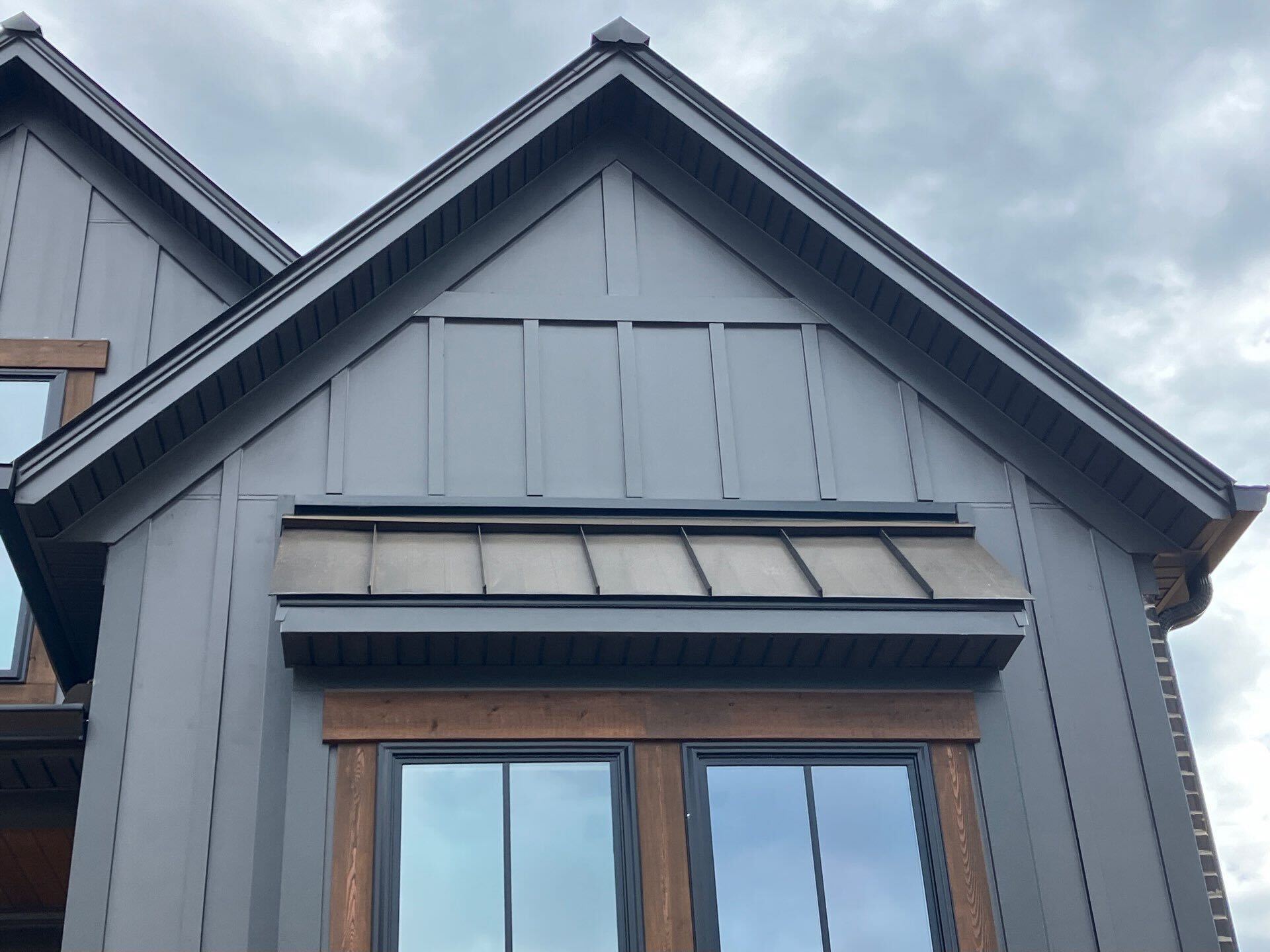
Every durable roofing system relies on a properly installed drip edge. Acting as vital perimeter flashing, this metal barrier secures the roofline by directing water safely into your gutters. Without it, rainwater can easily compromise the underlying decking and fascia. Choosing the best drip edge profile for a shingle roof depends on your local climate and roof slope, but understanding the various styles will help you maximize your roof’s lifespan and make informed choices for your roofing needs.
In this Article:
- Drip Edge Requirements for Metal Shingle Roofs
- The Critical Role of Drip Edges in Roofing Systems
- Types of Drip Edges for Shingle Roofs
- Installation Techniques for Metal Shingle Drip Edges
- Roof Drip Edge Materials
- Drip Edge Installation: How To
- Maintaining Your Drip Edge: Tips for Longevity
- FAQ about Drip Edges
Choosing the Right Flashing for Your Shingle Roof
Selecting the ideal roof protection comes down to matching the profile to your climate, roof slope, and budget. Traditional asphalt shingles generally benefit from three primary options:
- D-Type Profile: The go-to choice for maximum water redirection into the gutters.
- F-Type Profile: Designed specifically for high-wind areas and severe storm zones.
- C-Style (L-Type): A budget-friendly, classic option for standard roof pitches.
While properly installing these profiles provides essential defense for traditional asphalt shingles, distinct roofing materials demand their own specific installation strategies. Modern metal shingle systems, in particular, introduce unique requirements that alter how perimeter flashing must be applied.
Drip Edge Requirements for Metal Shingle Roofs
While traditional shingle roofs benefit significantly from proper drip edge installation, metal shingle systems present unique considerations that contractors must understand to ensure optimal performance. Metal shingles combine the aesthetic appeal of conventional shingles with enhanced durability, but they require specific drip edge approaches to maximize their water management capabilities.
Why Metal Shingles Need Specialized Drip Edge Attention
Metal shingle systems differ from traditional asphalt shingles in several ways that affect drip edge selection and installation. Understanding these differences helps contractors specify the right components and avoid common installation issues.
- Thermal Movement: Metal shingles expand and contract more than asphalt materials, requiring drip edge systems that accommodate this movement without compromising the seal. Proper fastening techniques and material selection prevent stress-related failures at the roof edge.
- Water Shedding Characteristics: Metal surfaces shed water more rapidly than asphalt shingles, creating higher water volumes at the drip edge during heavy rainfall. This increased flow requires robust drip edge profiles that can handle greater water loads without overflow.
- Installation Compatibility: Metal shingle fastening systems may require specific drip edge profiles to ensure proper overlap and sealing. Contractors must coordinate drip edge selection with the chosen metal shingle system to avoid installation conflicts.
- Longevity Matching: Since metal shingles can last 50+ years, the drip edge system should provide comparable longevity to avoid premature replacement. This typically means specifying metal drip edges rather than vinyl alternatives for metal shingle applications.
Material Compatibility Considerations
When working with metal shingle systems, drip edge material selection becomes critical for long-term performance and avoiding galvanic corrosion issues.
- Metal Compatibility: Ensure drip edge materials are compatible with the metal shingle substrate to prevent galvanic corrosion. Steel shingles work well with galvanized or Galvalume drip edges, while aluminum shingles require aluminum or compatible coated steel edges.
- Coating Coordination: Match protective coatings between the drip edge and shingle system to ensure uniform appearance and corrosion resistance. This coordination is particularly important for projects with specific color requirements or warranty considerations.
The Critical Role of Drip Edges in Roofing Systems
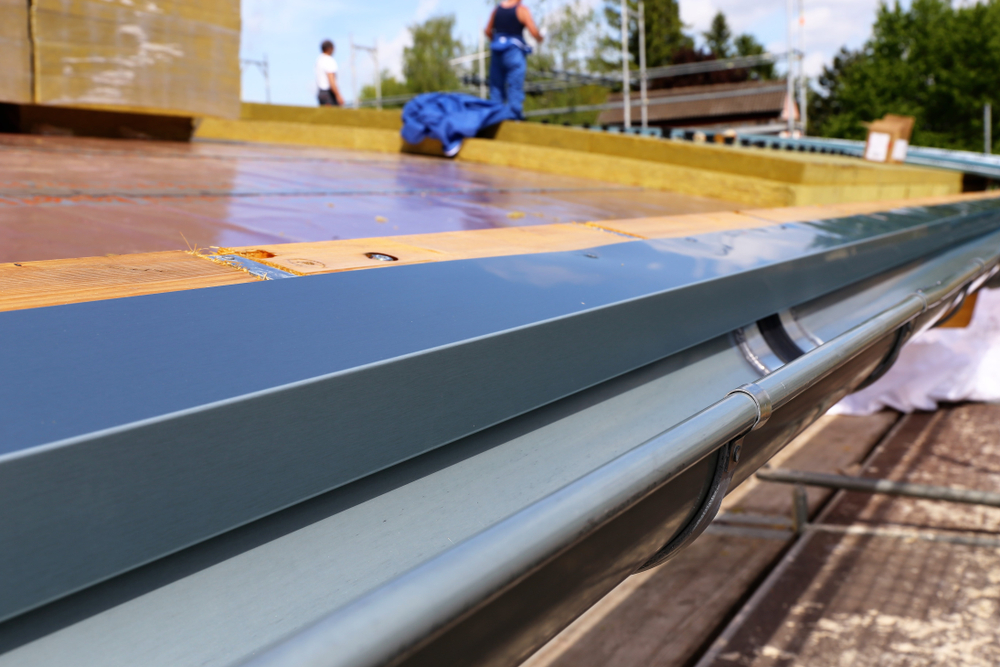
The main role of a drip edge is to prevent water damage. A drip edge guides rainwater away from your roof and towards the gutters. Drip edges also shield your fascia boards and keep them dry. Without this metal flashing, water could freely damage your home’s structure.
However, drip edges have other important roles to play for the integrity and longevity of your roof and structure. Here are more vital reasons to stall a drip edge:
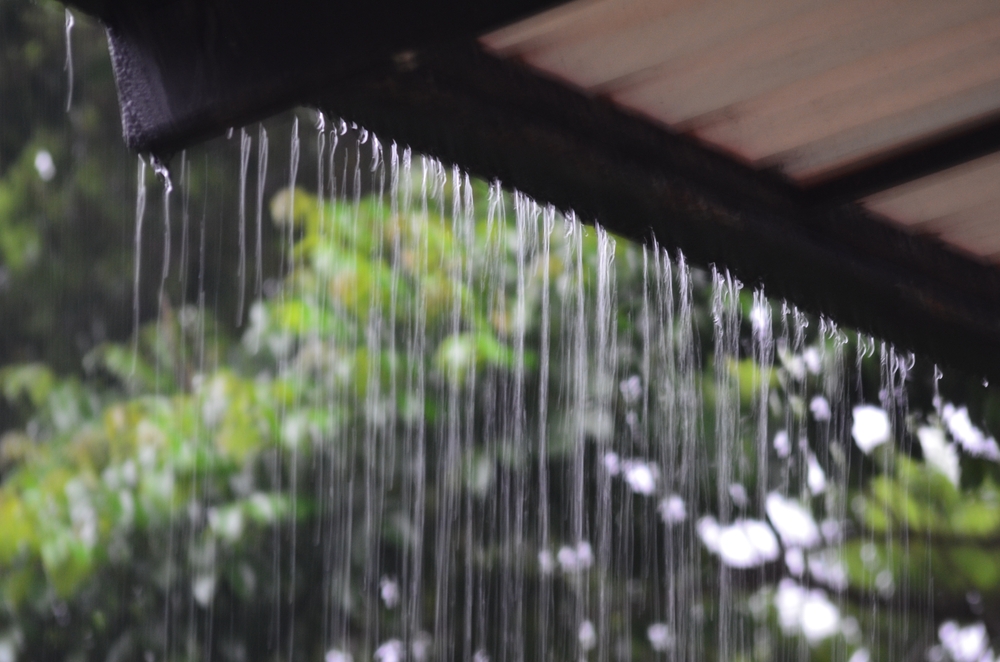
Given the above reasons, it’s easy to see why drip edges are so important to the integrity of a roofing system. But what kind of drip edge should you choose? Let’s find out.
Types of Drip Edges for Shingle Roofs
Selecting the correct drip edge profile is the most important step in ensuring proper water runoff for your specific roof slope. Exploring the world of drip edges, we discover three distinct styles, each with unique benefits and ideal use cases. The L-Type, D-Type, and F-Type, are the main vanguards against water damage, and picking the right one is a crucial decision in any roofing project.
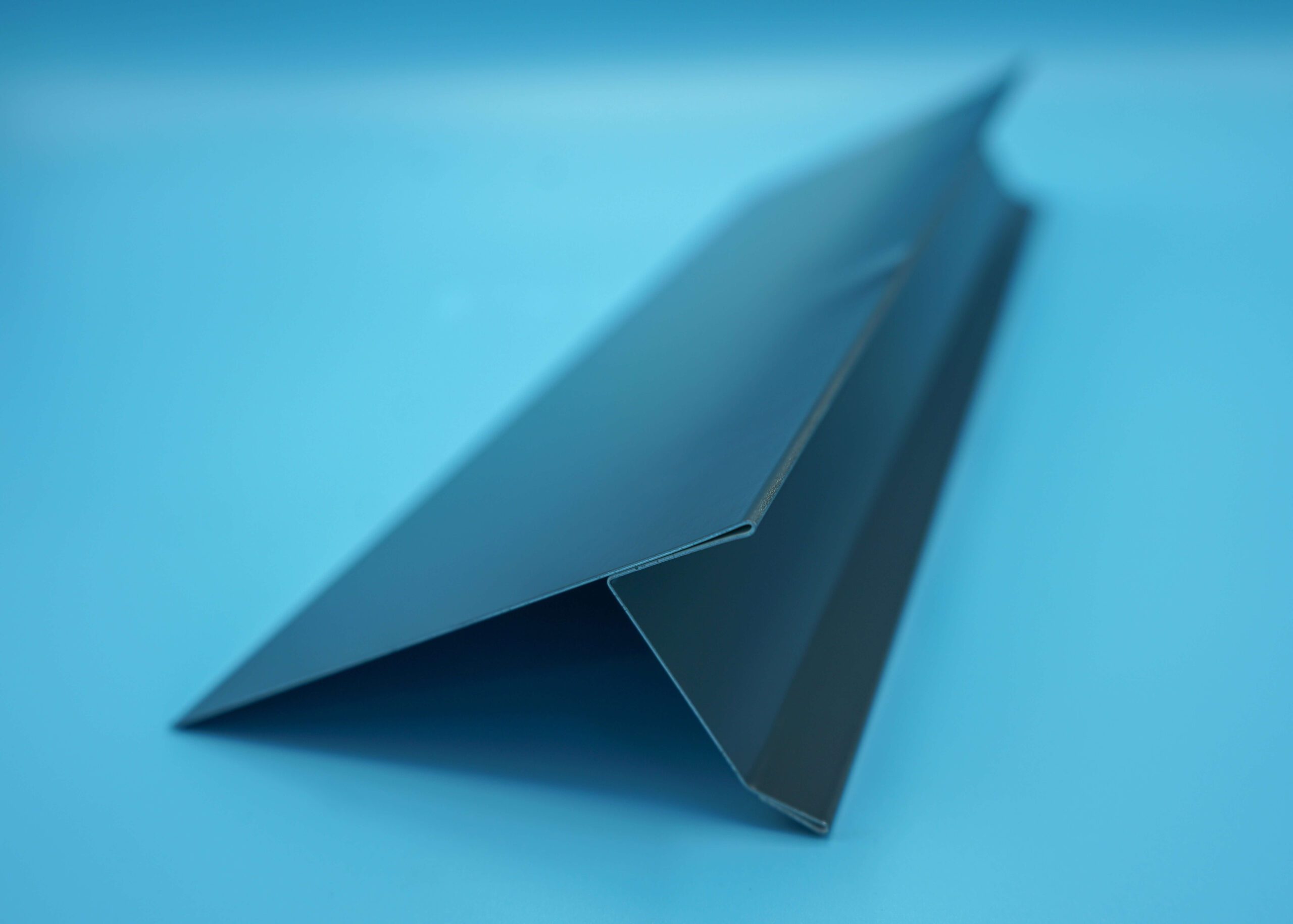
L-Type (C-Type) Drip Edge
The L-Type, also known as the C-style, is the stalwart classic of drip edges. Its perfectly shaped horizontal and vertical flanges resemble the hands of a clock at 3:00, consistently and dependably directing water away from the roof. Suited to the gentle slopes of standard shingle roofs, the L-Type pairs perfectly with a furring strip to nudge water further away from the home’s siding.
Features of the L-Type include:
- Horizontal and vertical flanges
- Ideal for standard shingle roofs
- Works well with a furring strip
- Provides basic water protection
D-Type Drip Edge
The D-Type is the enhanced protector, its T-shaped design fortifies your reliable roofing system.
Features of the D-Type include:
- T-shaped design
- Extra flange that tucks under the roofing material
- Provides an additional defense layer against water intrusion
- Keeps even wind-driven rain at bay.
F-Type Drip Edge
For structures in high-wind areas, the F-type offers superior protection. Its extended flange overlaps both the roof deck and fascia board, providing superior protection to roofs that battle against pesky wind-driven rain.
Features of the F-Type include:
- Extended flange design
- Overlaps both roof deck and fascia board
- Ideal for high-wind areas
- Enhances roof edge stability
Z-Type Drip Edge
The Z-Type drip edge is a versatile option designed to accommodate various roofs. Its unique Z-shaped profile provides robust protection against water intrusion for steep-slope roofs and is particularly effective in areas with heavy rainfall or snow.
Features of the Z-Type include:
- Z-shaped design
- Enhanced water channeling capabilities
- Suitable for different roofing materials and structures
- Provides additional support to the roof’s edge
Installation Techniques for Metal Shingle Drip Edges
Proper drip edge installation with metal shingle systems requires attention to specific details that differ from traditional shingle applications. These techniques ensure optimal water management and long-term system performance.
Pre-Installation Planning
Before beginning drip edge installation on metal shingle projects, contractors should coordinate several key factors to ensure successful results.
- System Integration: Review metal shingle manufacturer specifications for drip edge requirements and recommended profiles. Some metal shingle systems have specific drip edge recommendations that affect warranty coverage and performance.
- Fastener Selection: Choose fasteners that are compatible with both the drip edge material and the metal shingle system. Proper fastener selection prevents galvanic corrosion and ensures secure attachment throughout the system’s lifespan.
- Thermal Considerations: Plan for thermal movement by using appropriate fastening patterns and allowing for expansion at joints. Metal systems require more attention to thermal movement than traditional shingle applications.
Installation Sequence and Techniques
- Timing Coordination: Install drip edges before metal shingle installation but coordinate with underlayment placement to ensure proper layering. The sequence may vary depending on the specific metal shingle system being installed.
- Overlap Requirements: Ensure adequate overlap at drip edge joints, typically 2 inches minimum, and seal joints appropriately for the expected water loads. Metal shingle systems may generate higher water volumes that require enhanced sealing.
- Fastening Patterns: Use fastening patterns that accommodate thermal movement while maintaining secure attachment. This may require different spacing or fastener types compared to traditional shingle applications.
- Quality Control: Conduct thorough inspections during installation to verify proper alignment, secure attachment, and adequate sealing. Metal shingle systems’ longevity makes proper initial installation critical for long-term performance.
Understanding these metal shingle-specific requirements helps contractors deliver superior installations that maximize the performance benefits of both the drip edge and metal shingle systems.
Roof Drip Edge Materials
The material of your drip edge is just as important as its shape. Here’s a break down of each drip edge material:
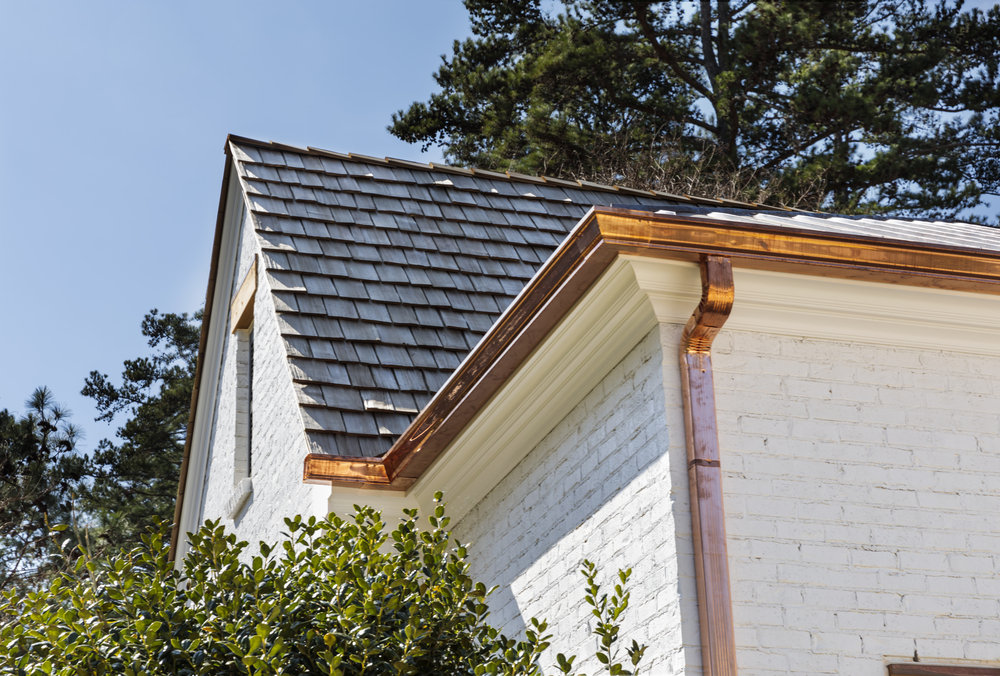
How to Choose a Material for Roof Drip Edges
Different drip edge types and materials perform best under specific environmental conditions. Before selecting a drip edge profile for your project, keep these key factors in mind:
- Local Climate: Match the metal to your weather. Galvanized steel and aluminum handle severe moisture and coastal air well, while heavy-duty metals stand up best to ice and snow.
- Roofing Material Compatibility: Ensure your drip edge flashing is chemically compatible with your shingles or underlying metal panels to prevent galvanic corrosion over time.
- Budget & Aesthetic Goals: Options range from budget-friendly vinyl and painted aluminum to premium copper that develops a classic protective patina.
If you have any questions about the material, shape, environment, or anything else, reach out to us at Metal Formers, Inc. We will happily give you more information to help you decide which material is best for your roof and your budget.
Drip Edge Installation: How To
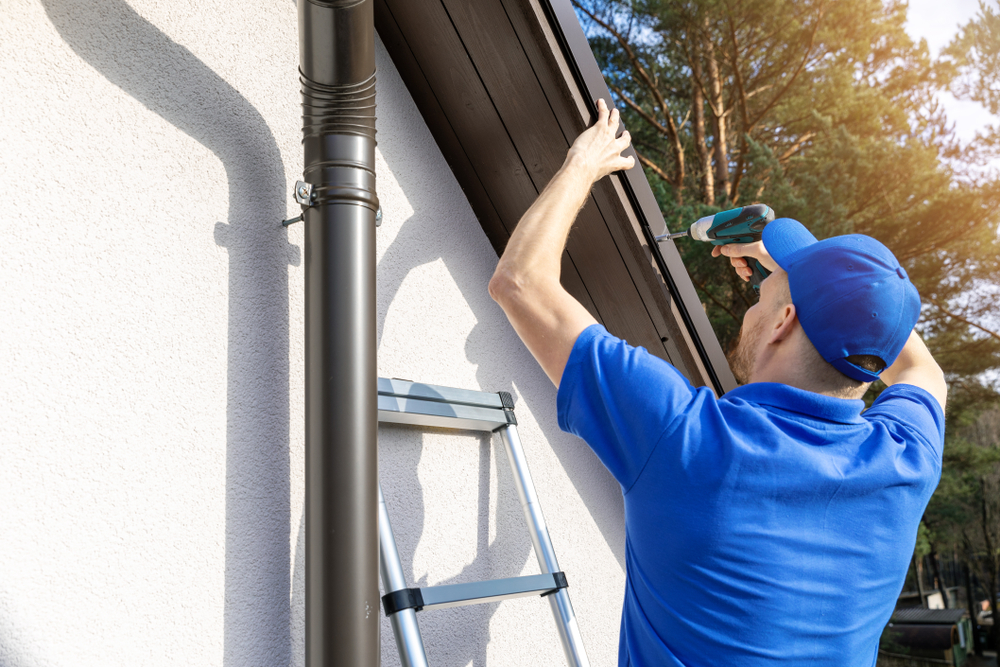
Once you’ve chosen the appropriate drip edge, the next step is to install a drip edge, a task that requires precision, patience, and a touch of skill. From preparing the roof edge to ensuring a snug fit and finish, every step is a building block towards a fortress that can withstand the tests of time and weather.
Preparing the Roof Edge
After you’ve taken necessary safety measures and gathered all the tools, the initial step is making sure the fascia board is clean and smooth. Any debris or imperfections could sabotage the drip edge’s ability to channel water effectively, so attention to detail here is crucial. This includes checking the roof for any rotting and damage. You will need to address roof damage before starting your drip edge installation.
Securing the Drip Edge
Following that, the drip edge needs to be nailed down with pinpoint accuracy. Galvanized roofing nails, no more than a foot apart, are the rivets that hold the edge in place, ensuring that water is directed away and not into your home.
Finishing Touches
The final steps of the installation require the steady hand of an artisan. Precisely cutting and bending the drip edges ensures that corners and ridges overlap and are seamless.
Maintaining Your Drip Edge: Tips for Longevity
A well-maintained drip edge can withstand the test of time. To ensure its longevity and resiliency, it’s crucial to install drip edge properly. Regular maintenance tasks for your drip edge include:
- Inspecting it regularly for any damage or signs of wear
- Cleaning it to remove any debris or buildup
- Removing any leaves or other obstructions that may be blocking the flow of water
By performing these tasks on a regular basis, you can ensure that your drip edge is always ready to protect your roof deck from whatever elements it may face.
FAQ about Drip Edges
Choosing the Best Drip Edge for Your Roof with Metal Formers, Inc.
Installing the right drip edge flashing is critical for building a durable, long-lasting roofing system. Now that you understand the different drip edge types, from the classic C-style drip edge to advanced D-style profiles, you can select the best drip edge for your shingle roof. If you need expert advice on choosing the perfect drip edge profile or material, contact the team at Metal Formers, Inc. today!




Leave A Comment