
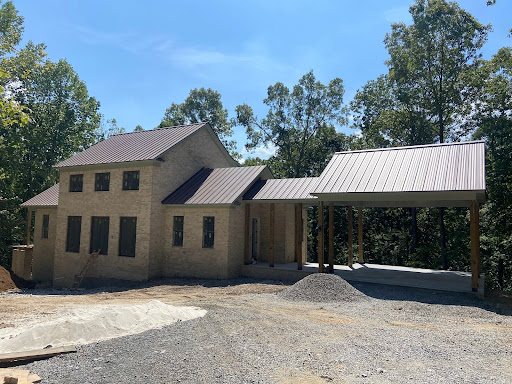
A roof isn’t just a surface; it’s a complex multi-layer system made up of many parts and materials that work together to protect your home. One of the most important components is underlayment.
You can’t see it, but this foundational layer of protection is crucial for safeguarding your home from water, moisture, and structural damage.
If you are planning a roof installation, roof underlayment is not the place to cut corners, especially in Tennessee, where heavy rain, humidity, and severe storms are common challenges.
In this article, the roofing supply experts at Metal Formers, Inc. explain the essential role and benefits of roof underlayment so you can better understand how it fits into your complete roofing system.
You’ll learn:
- What roof underlayment is and why it matters
- The differences, pros, and cons of felt underlayment vs. synthetic underlayment
- How underlayment contributes to weather protection, moisture management, and roof system durability
- Why proper underlayment selection is especially important for Tennessee roofs
What Is Roof Underlayment?
Roof underlayment is the protective material that sits between the outer roofing material and the roof deck. It serves as a critical layer within the roofing system, designed to manage moisture and weather exposure that may penetrate beneath the finished roof surface.
Underlayment is a crucial part of a roofing system. Without it, the roof deck is significantly more vulnerable to structural rot, premature deterioration, and water intrusion caused by wind-driven rain, severe storms, and seasonal weather shifts, which roofs are regularly exposed to in Tennessee.
Types of Roof Underlayment
Roof underlayment primarily falls into two main categories: traditional felt and modern synthetic options. Both are installed between the roof deck and the finished roofing material, but they differ in cost, performance characteristics, installation methods, and common use cases.
Felt Underlayment
Felt underlayment, often called tar paper, is made from a paper or fiberglass mat saturated with asphalt to provide water resistance. While it remains a code-compliant, cost-effective option, it is considered “old-school” and comes with limitations.
Traditional felt is less tear-resistant during installation, prone to wrinkling, non-breathable, and prone to absorbing moisture when exposed. In climates like Tennessee, where roofs regularly endure heavy rain, high humidity, and severe storms, felt underlayment is typically less effective than modern synthetic alternatives.
Synthetic Underlayment
Synthetic underlayment is manufactured from woven or spun polymer-based materials engineered for improved strength, stability, and moisture resistance. Due to its consistent performance and durability, it has become the standard roof underlayment for most homes in the United States, especially in regions like Tennessee, where homes are frequently exposed to high humidity and a variety of severe weather events.
There are different types of synthetic underlayment available, including mechanically attached and self-adhered (peel-and-stick) options. Both offer advantages over traditional felt. The appropriate choice depends on factors such as roof design, budget, and climate exposure.
To learn more about the best synthetic underlayment for metal roofs, read “Why Metal Underlayments Are Essential for Long-Lasting Roofs.”
Comparing Traditional Felt vs Modern Synthetic Roof Underlayments
Understanding the differences, advantages, and trade-offs between roof underlayment types is essential for selecting the best product for your building project.
Felt Underlayment Pros & Cons
Felt underlayment offers practical benefits, but they come with limitations that are important to consider.
Pros
- Lower upfront cost
- Readily available
- A familiar option for some roofing applications
Cons
- Tears more easily during installation
- Absorbs moisture, which can lead to wrinkling and degradation
- Performs poorly under sustained heat
- Less suited for humid, storm-prone environments like Tennessee
Synthetic Underlayment Pros & Cons
Modern synthetic underlayment is not a single, uniform product. Performance advantages and trade-offs can vary depending on the type of synthetic underlayment selected, but generally include:
Pros
- Significantly stronger and more tear-resistant
- Handles high temperatures more effectively
- Does not absorb moisture when installed properly
- Performs more consistently in severe and changing weather
Cons
- Higher upfront cost
- Potential for moisture trapping if not installed with proper ventilation
- May not be compatible with every roofing material
- Some options require more precise installation practices
Bottom line: For metal roofing systems and challenging Tennessee weather conditions, synthetic underlayment is generally the superior choice for long-term performance, while felt is primarily considered when budget is the primary driver.
That said, the best underlayment depends on your specific building project. For more on what a professional roofer considers before recommending the best underlayment for your home or business, read “A Guide to Selecting the Right Underlayment for Your Building Project.”
The Key Benefits and Essential Role of Underlayment in Roofing Performance
Whether you choose traditional felt or modern synthetic underlayment, it is a required component of a complete roofing system.
A roof is not fully protected by the exterior roofing material alone. Underlayment fills the gap between the roof deck and the finished roof surface, ensuring the entire system functions as intended.
Roof underlayment contributes to multiple aspects of roof system performance beyond basic coverage, particularly in managing weather exposure and protecting the structure below.
Weather Protection
Roof underlayment is a key component in protecting a roof from weather-related stress. While the finished roofing material is the primary barrier, underlayment helps protect against wind, rain, ice dams, and other severe weather events that can push moisture beneath the roof surface.
Moisture Management
Moisture intrusion can contribute to deck deterioration and structural concerns. Properly selected underlayment supports moisture management by efficiently shedding water away from the roof deck and reducing prolonged exposure to moisture.
Backup Layer of Protection
Underlayment acts as a crucial secondary weather-resistant layer. If wind, debris, or aging materials allow moisture to pass beneath the roof surface, the underlayment limits water intrusion and reduces direct exposure to the roof deck and structural components below.
Supports Energy Efficiency
While roof underlayment is not insulation, it plays a vital role in maintaining a building’s thermal efficiency.
High-performance underlayments act as a secondary air barrier, helping minimize air leakage through the roof deck. By reducing the amount of conditioned air that escapes through small gaps in the structure, these materials allow your HVAC system to operate more efficiently.
In addition to air management, underlayment protects the effectiveness of your primary insulation. The U.S. Department of Energy (DOE) emphasizes that moisture is a major threat to insulation performance. A high-quality underlayment ensures your attic insulation remains dry, preserving its R-value and preventing heat transfer.
This combination of air sealing and moisture protection can lead to lower monthly energy costs throughout the roof’s life.
Helps Extend the Life of Your Roof
Maintaining a dry roof deck is one of the most effective ways to keep a roofing system intact and avoid an early, expensive roof replacement.
While the outer roofing material serves as a roof’s first line of defense and provides the primary shield against weather, water can still find its way into the small gaps around fasteners and joints.
By blocking this moisture from soaking into the wood, underlayment helps prevent the cycles of rot and warping that can eventually compromise a building’s structure.
Fire Resistance
Some roof underlayments are designed to resist ignition and help slow the spread of fire by acting as a protective barrier, preventing flames and embers from reaching the structure beneath your roof.
When used as part of a professionally installed and tested roofing assembly, a synthetic fire-resistant underlayment can contribute to a Class A fire rating, which is the highest level of protection available.
Roof Underlayment Frequently Asked Questions
How much does roof underlayment cost?
The cost of roof underlayment varies based on many factors, including roof size, roof pitch, underlayment material and brand, local supplier costs, and labor rates in your region. According to large-scale home service platforms, in 2026, the average roof underlayment costs $3,300, with most homeowners paying between $1,700 and $4,200.
What is the best roof underlayment for a metal roof?
For metal roofs, most roofers consider modern synthetic options superior to traditional felt underlayment, particularly rubberized asphalt (peel-and-stick).
Self-adhering products provide a waterproof seal and strong adhesion at overlaps, which helps prevent moisture ingress under metal panels. Premium synthetics also offer excellent tear resistance and long service life.
Which type of underlayment is best in Tennessee?
Local building codes and installer recommendations should guide the specific product choice, but, in general, modern synthetic underlayment is the preferred roof underlayment in Tennessee.
Our humid climate, occasional heavy rain, risk of ice dams, and seasonal temperature shifts benefit from synthetic materials, which offer superior water resistance, UV tolerance, and durability compared with traditional felt.
How long does roof underlayment last?
Underlayment lifespan varies by material. When properly installed, traditional felt typically lasts 10 to 20 years. Synthetic underlayment has a longer lifespan of 20-50+ years when installed correctly.
What are the signs of bad underlayment?
Signs of failing or compromised underlayment include water stains on ceilings or attic areas, roof leaks during rain, buckling or warped roofing material, mold or rot in attic insulation, and visible roof deck issues once roofing material is removed.
Is a new roof underlayment necessary if I’m only replacing my roof?
In most roof replacements that involve a full tear-off, new underlayment is considered necessary. Current building codes, manufacturer requirements, and professional best practices generally assume the existing underlayment will be removed and replaced.
Reusing older materials can conceal roof deck damage, leave behind thousands of prior fastener penetrations that weaken the secondary water barrier, and increase the risk of future moisture intrusion. It can also create warranty issues when new roofing materials are installed over compromised layers.
There are limited situations where an overlay or partial replacement may be allowed, but these cases are highly dependent on local code, roof condition, and material specifications.
Roof Underlayments with Metal Formers, Inc. in Nashville, TN
A roofing system is only as strong as the components beneath it. Selecting the right underlayment and ensuring it is properly installed are critical to long-term performance, moisture protection, and overall durability.
Metal Formers, Inc. is a trusted sheet metal fabrication and roofing supply store serving the Nashville area, supplying contractors with high-performance, temperature-rated underlayment solutions designed specifically for metal roofing systems. With deep experience in architectural and structural metal applications, our team understands how underlayment choices impact the lifespan of a metal roof.
Reach out today to discuss your project and underlayment options with our expert team.





Leave A Comment