
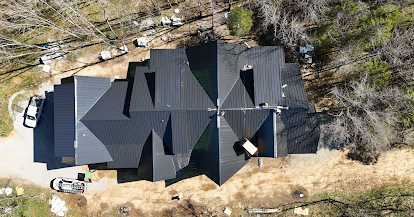
Metal roofs have become increasingly popular in the Greater Nashville region. Homeowners and businesses are choosing metal over shingles and other materials for its longer lifespan, superior protection from Tennessee’s unpredictable weather, energy efficiency, and modern aesthetic appeal.
If you are considering a metal roof, you have a variety of colors, finishes, and profiles that can complement any architectural style. While these visual decisions are important, don’t neglect to put just as much thought into the crucial roofing materials you can’t see, such as the underlayment.
There isn’t only one type of roof underlayment. You have traditional felt (tar paper) and modern synthetic underlay options. Unfortunately, many homeowners often choose mindlessly, unaware of the importance of selecting the proper underlayment for their metal roof.
In previous articles, we’ve discussed why choosing the right metal accessories for your construction project is essential. Today, our Tennessee roofing experts will explain why you may want to reconsider felt (tar paper) and opt instead for a high-quality synthetic metal roof underlayment. Understanding the pros and cons of both felt and synthetic underlayment will help you select a material that ensures your metal roof is built to last for decades to come.
What is Metal Roof Underlayment?
A metal roof underlayment is a water-resistant or waterproof barrier installed directly onto your roof deck, beneath the metal roofing material. The primary purpose of a high-quality underlayment is to act as a crucial secondary line of defense against water intrusion. For example, should your primary roofing material be compromised by ice dams, high winds, hail, or flying debris, all of which are common occurrences in Tennessee, underlayment prevents water from reaching the wooden structure of your roof and causing costly damage.
Is Underlayment Necessary for a Metal Roof?
Yes. Even though metal roofs are more durable and long-lasting than shingles, they still need underlayment. Metal should never be put directly on plywood, OSB, or any other roof deck material. Underlayment is a crucial second barrier that helps prevent condensation and moisture from accumulating and damaging the roof deck, preventing rot and corrosion over time. It also provides a noise barrier, improves thermal performance, and creates a smooth, level surface for proper installation. Beyond being necessary, underlayment is often required by building codes and manufacturers’ warranties.
The Best Roof Underlayment For A Metal Roof: Synthetic vs. Felt Underlayment
The type and quality of the underlayment you choose is what separates a mediocre metal roof from an exceptional one. While felt (tar paper) is one option, roofing experts agree that the best metal roof underlayment is a premium high-temperature synthetic. Here is a breakdown of the pros and cons of each, explaining why synthetic underlayment is preferred by roofing professionals when installing a metal roofing system.
What is Traditional Felt Underlayment?
Felt roof underlayment, often referred to as tar paper or roofing felt, is the oldest and lowest-cost underlayment material. It is generally made from a blend of organic fibers or fiberglass saturated with bitumen, a waterproofing material derived from asphalt. However, choosing felt involves significant trade-offs.
Pros of Felt Underlayment
- Cost effective
- Widely available
- Familiar installation
Cons of Felt Underlayment
- Shorter lifespan (12-20 years)
- Not high-temperature rated
- Tears easily during installation
- Can be brittle and crack in cold weather
- Absorbs moisture (leading to wrinkles and degradation)
- Degrades rapidly when exposed to UV rays
- Heavy (more physically demanding for the installer)
Bottom Line: While felt is a budget-friendly option, it is not designed for metal roofs. The high surface temperatures of a metal roof create a thermal load that can cause inferior products, such as felt, to fail prematurely. While felt underlay can be an affordable option for other roofing materials like shingles, it is not recommended for metal roofs, which require a more heat-resistant and dimensionally stable underlayment.
What is Modern Synthetic Underlayment?
Synthetic roof underlayment is the upgraded alternative to felt and has quickly become the preferred choice for today’s roofing professionals. Made from woven or spun polymers, such as polypropylene or polyethylene, synthetic underlayments are engineered for exceptional strength, flexibility, and weather resistance. If you choose a peel-and-stick synthetic underlay, it also includes a self-sealing bottom layer, typically made of rubberized asphalt.
Synthetic underlayment is lightweight, easy to install, maintains its integrity under high heat, resists water absorption, mold growth, and UV degradation, making it ideal for metal roofing systems. While synthetic underlay options generally cost more upfront, their extended lifespan and superior performance easily offset the initial investment by reducing maintenance needs and extending the life of your entire roofing system.
Pros of Synthetic Underlayment
- Longer lifespan (25-50+ years)
- High-temperature rated
- Highly durable and tear-resistant
- Moisture and mold resistant
- UV resistant
- Lightweight and easy to install
- Safer, non-slip surface for installers
Cons of Synthetic Underlayment
- Higher upfront cost
- May require advanced installation techniques
Bottom Line: Synthetic underlayment is superior to traditional underlayment for metal roofing. Synthetic underlayment, particularly rubberized asphalt (peel-and-stick), outperforms felt in nearly every category. Its heat resistance, moisture control, and long-lasting durability make it the superior choice for metal roofing systems, particularly in Tennessee, where extreme, unpredictable weather is typical.
Categories of Synthetic Metal Roof Underlayment
There are two primary categories of synthetic underlayment: mechanically attached and self-adhered (also known as peel-and-stick). The best choice for your metal roof depends on your budget, roof design, and climate exposure.
1: Self-Adhered Synthetic Underlayment: The Premium Choice for Metal Roofing
Often referred to as peel-and-stick, self-adhered underlayment is a modern, multi-layered synthetic product. The top layer is a durable polymer, but its defining feature is the bottom layer: a self-sealing adhesive, typically made of rubberized asphalt, that bonds directly to the roof deck to form a fully watertight seal. This type of underlayment is specifically engineered to handle the extreme temperatures that build up beneath metal roofing. It remains stable in high heat, resists slipping, and self-seals around fasteners to block water intrusion. While it carries a higher upfront cost, it is widely recognized for delivering unmatched protection against moisture, ice dams, and wind-driven rain, making it a preferred choice in regions prone to intense storms.
2: Mechanically Attached Synthetic Underlayment: A Modern Replacement for Felt
Typically referred to as standard synthetic underlayment, this type is made from woven polypropylene or other strong polymers that are mechanically fastened in place using either caped roofing nails or caped staples. Standard synthetic underlayment has become a go-to choice for many residential roofing applications and is an excellent choice for a standing-seam metal roof. It is a cost-effective synthetic option that is easy to install, breathable, durable, strong, and UV-resistant, representing a significant technological advancement over traditional felt.
How to Choose Between Standard Mechanically Attached vs Self-Adhered Synthetic Underlayment for Your Metal Roof
Both standard mechanically attached and peel-and-stick synthetic underlayments are significant upgrades over traditional felt. When a high-end brand is used and properly installed by a professional contractor, both provide the high-temperature tolerance and moisture resistance required beneath a metal roofing system.
In many cases, roofing professionals use a combination of both types to balance protection and cost efficiency. However, if you want the absolute best water protection, choose self-adhesive rubberized asphalt underlayment, especially in vulnerable areas such as eaves, valleys, and around penetrations.
The Benefits of Choosing Synthetic Underlayment for Your Metal Roof in Tennessee
A high-quality synthetic underlayment is a crucial component in protecting your metal roof investment, offering numerous benefits over traditional felt.
- Superior Durability and Longevity: High-quality synthetic underlayment is engineered to last as long as your metal roof itself. While it costs more upfront than felt, it delivers greater long-term value through superior tear resistance, UV protection, and thermal stability. This durability helps prevent costly structural repairs down the road.
- Enhanced Weather Protection: Advanced synthetic underlayments create a watertight barrier that resists wind-driven rain and prevents leaks caused by severe storms or ice buildup. In Middle Tennessee, where spring thunderstorms frequently bring intense winds and heavy rainfall, this layer of protection is crucial.
- Protects Against Roof Deck Damage: A quality underlayment not only protects your home’s interior but also shields the roof deck from condensation and trapped moisture, which can lead to wood rot or corrosion under metal panels. In Tennessee’s humid climate, this secondary defense is especially valuable.
- May Lower Your Energy Bills: Certain high-temperature-rated synthetic underlayments feature reflective surfaces that help deflect radiant heat away from the roof deck. This reduces heat transfer into the attic and can significantly lower attic temperatures, a significant advantage during Tennessee’s hot summer months when cooling costs are at their peak.
- Improved Safety and Installation Efficiency: Synthetic underlayments are lightweight, non-slip, and easier to install than felt. Their textured surfaces provide reliable traction for roofers, enhancing safety and speeding up installation without sacrificing performance.
Beyond The Materials: Why Professional Roof Installation Matters
Even the highest-quality underlayment will underperform if not installed correctly. Proper installation requires the knowledge of professional roofers who understand building codes, manufacturer specifications, and best practices specific to your roofing system. Additionally, synthetic underlayment often requires more advanced installation techniques. You don’t want to hire just any handyman or roofer to install your metal roof underlayment. Shortcuts during installation can lead to wind uplift, water infiltration, and premature failure.
Protect Your Investment with Metal Formers, Inc. and Austermiller Roofing
A metal roof is an investment. Choosing the proper high-quality synthetic underlayment and contractors to install it is essential to building a metal roof that lasts.
Metal Formers, Inc. is a premier sheet metal fabrication shop and roofing company in Mount Juliet, TN, trusted by contractors for over a decade for all their metal roofing needs, including premium high-temperature-rated underlayment products.
When combined with the installation experience of our sister company, Austermiller, our teams will work together to ensure your metal roof not only looks great but also withstands Tennessee’s unpredictable weather. Contact us today for a complimentary consultation.





Leave A Comment