
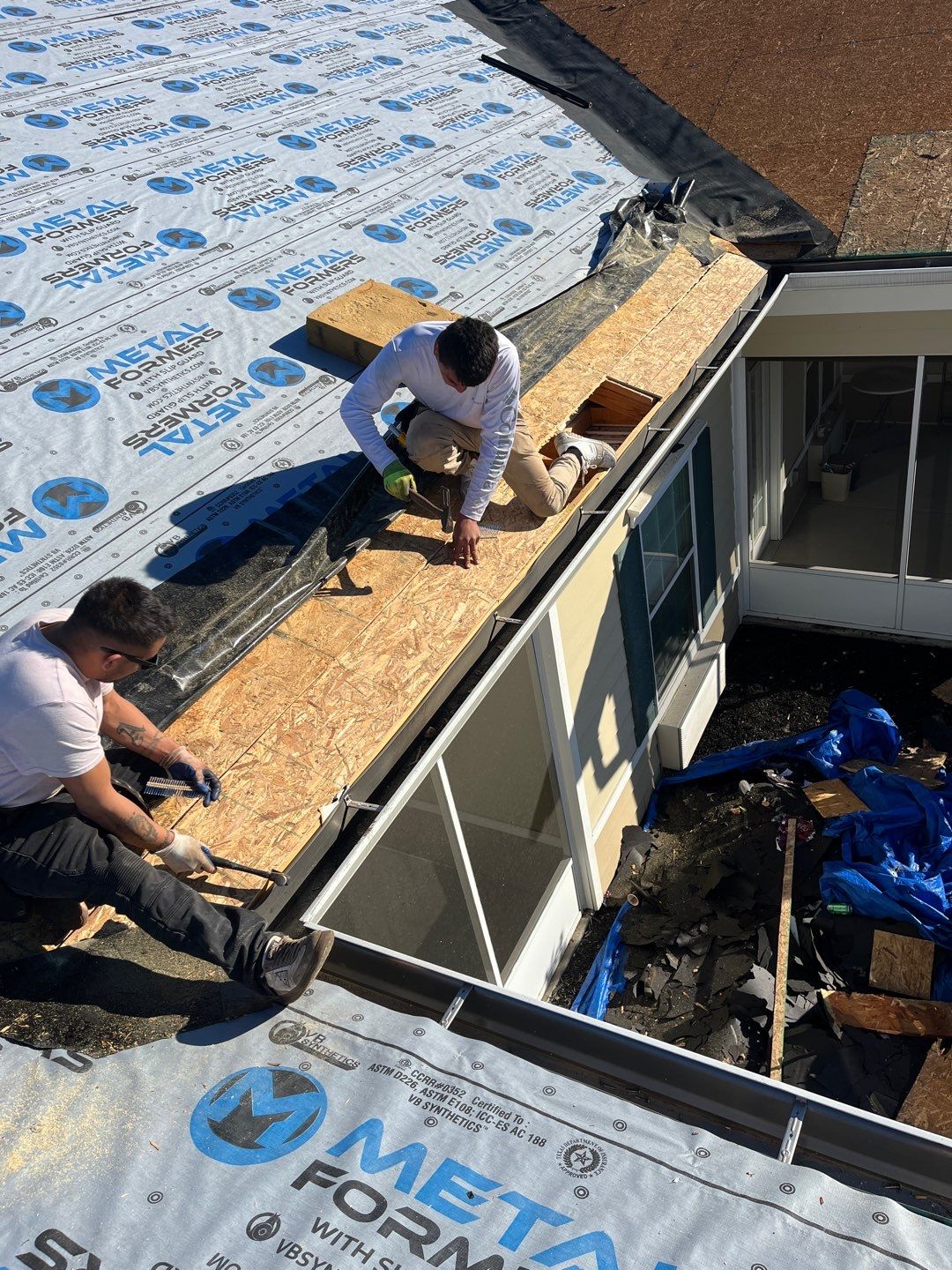
The most critical component of your roofing system is one you will never see. While we all focus on the shingles or metal panels, it’s the hidden layer beneath them, the underlayment, that provides the essential protection for your entire home.
Choosing the right underlayment is what stands between a roof that lasts for decades and one that fails prematurely. Without a quality barrier over your roof deck, you leave your home exposed to moisture, rot, and expensive structural repairs. With so many options available, from traditional felt to modern synthetics, making the right choice can feel overwhelming.
This guide is here to simplify the process. We’ll give you a clear, strategic framework for selecting the perfect underlayment, moving beyond a simple comparison to give you the confidence to make the best decision for your project.
What is Roof Underlayment? Why is it Important?
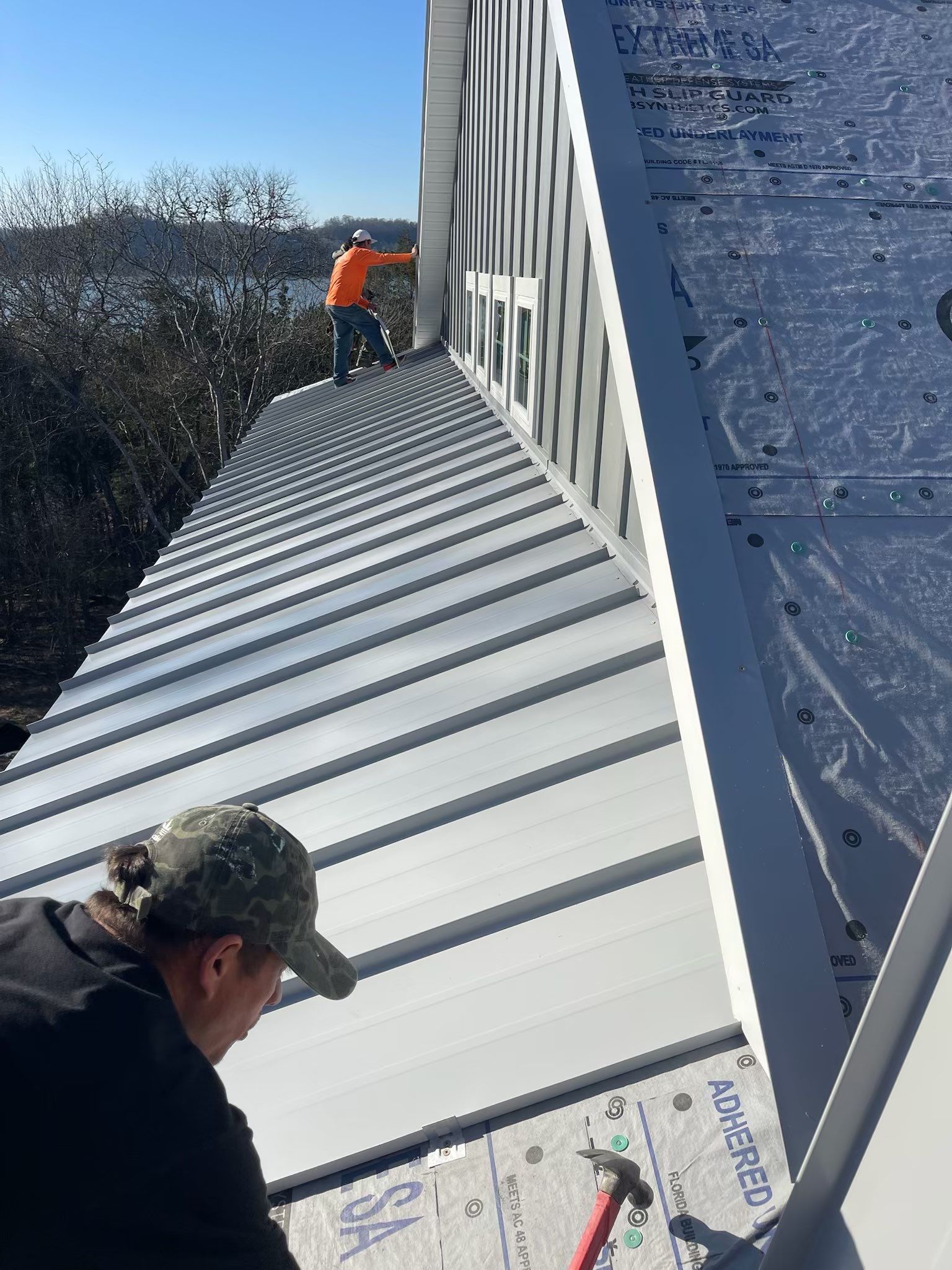
Roof underlayment is a water-resistant or waterproof barrier that is mechanically attached to the roof deck before the final roofing material is installed. Its role is far more dynamic than just being another layer.
The primary functions of roof underlayment include:
- Secondary Moisture Protection: It serves as the last line of defense against the elements. If wind drives rain under your shingles or an ice dam forms at the eaves, the underlayment is what stops water from reaching the wood decking and entering your home.
- Protection During Construction: During the “dry-in” phase of a project, the underlayment protects the exposed roof deck from the elements until the final covering can be installed.
- Enhanced Durability and Safety: A quality underlayment can increase the roof’s overall fire resistance and provide critical protection against ice damage.
- A Smoother Finish: It provides a uniform, smooth surface for the installation of shingles or panels, which can improve the final aesthetic appearance of the finished roof.
The Main Types of Roof Underlayment
To make the right choice, you first need to understand the real-world differences between your options. There are three main players on the market today, and each has a very different story.
The Old Standard: Asphalt-Saturated Felt Underlayment (Tar Paper)
For decades, this was the only option on the truck: tar paper. It’s a simple product made by soaking a paper or fiberglass mat in asphalt to make it water-resistant. Its main appeal has always been its low upfront cost, which makes it the default for many budget-focused projects. That low price, however, comes with a long list of drawbacks. From an installer’s point of view, it’s incredibly heavy at around 15 pounds per square and tears easily on the job. It can also get brittle and crack in the cold, and sometimes absorbs moisture, which causes wrinkles that can show through the final shingles. With a shorter lifespan of only 12 to 20 years, its long-term value is limited. However, it has one key advantage with older homes: it “breathes,” which can help prevent moisture issues in homes with tricky, outdated ventilation.
The Modern Choice: Synthetic Underlayment
Today, most professionals have moved on to synthetic underlayment, and for good reason. This is an engineered fabric made from strong, woven polymers like polypropylene, often with a UV-resistant coating. The performance leap is huge. It’s incredibly lightweight at only 2 to 4 pounds per square, which makes the job much faster and safer for roofing crews. Unlike felt, it’s extremely tear-resistant and won’t break down even if it’s exposed to the sun for months. That durability means it has a much longer lifespan, typically 25 to 50 years. Because it doesn’t hold moisture, it lies perfectly flat, helping the final roof look clean and uniform. The trade-offs? It has a higher upfront cost, and it can be punctured by heavy foot traffic or debris during installation. Also, since it doesn’t breathe, it’s critical that the roof has a proper ventilation system to avoid trapping moisture inside the home.
The Premium Protector: Rubberized Asphalt Underlayment (Peel-and-Stick)
When you need the absolute best water protection, you turn to rubberized asphalt. This is a premium “peel-and-stick” underlayment with a powerful adhesive back that seals it directly to the roof deck. The result is a completely watertight barrier. It’s the top choice for preventing ice dams in cold, snowy climates. We also use it to protect the most leak-prone parts of any roof, like valleys and around chimneys. While it’s a higher-cost material, using it strategically in these key spots is a smart way to get maximum protection where it counts the most.
Choosing The Best Roof Underlayment: A Pro’s Checklist
There’s no single “best” underlayment for every single roof. The right choice always depends on a few key factors about your specific project. Here’s what a professional roofer considers before making a recommendation.
Your Home and Your Climate
First, we look at the home itself and the local weather it has to endure. A roof in Tennessee has to stand up to intense summer heat and UV rays, which makes a durable synthetic underlayment a very smart choice. In colder climates where ice dams are a major risk, a peel-and-stick rubberized asphalt is essential because traditional felt can get brittle and crack in freezing temperatures. For any area with high winds, the superior tear resistance of a synthetic is the only reliable option.
The roof’s design also plays a huge role. If it’s a steep roof, the safety of the installation crew is a top priority. A lightweight synthetic with a slip-resistant surface is much safer and easier to work with than heavy, slick felt. On the other hand, if a roof has a very low slope, water drains off it slowly. That creates a higher risk for leaks, so the superior water-blocking power of a synthetic or rubberized asphalt is critical.
Matching Materials for a Long-Lasting System
It’s also crucial to match your underlayment to the roofing material you’ve chosen. You wouldn’t put cheap tires on a brand-new truck, right? If you’re investing in a 50-year metal roof, you need a durable synthetic underlayment that can handle the high temperatures and last just as long. The same goes for heavy tile roofs, which need a strong underlayment that won’t tear under the constant stress.
The type of project matters, too. For a brand new home, investing in a high-performance synthetic offers the best long-term protection and value. On a simple re-roofing project with a tight budget, traditional felt can sometimes be an adequate choice, but only if the underlying roof deck is in excellent condition.
The Final Technical Checks
Finally, there are a couple of important technical points to confirm. Your home’s attic ventilation is one. A non-breathable synthetic underlayment must be part of a well-ventilated system to allow moisture to escape. In some specific cases, like older homes with poor airflow, the “breathable” nature of felt can be an advantage.
And this last part is non-negotiable. You must check two things: first, your local building codes, which may require a specific type of underlayment. Second, the manufacturer’s warranty for your shingles or metal panels. Using the wrong underlayment is an easy mistake that can void your entire warranty, leaving you unprotected.
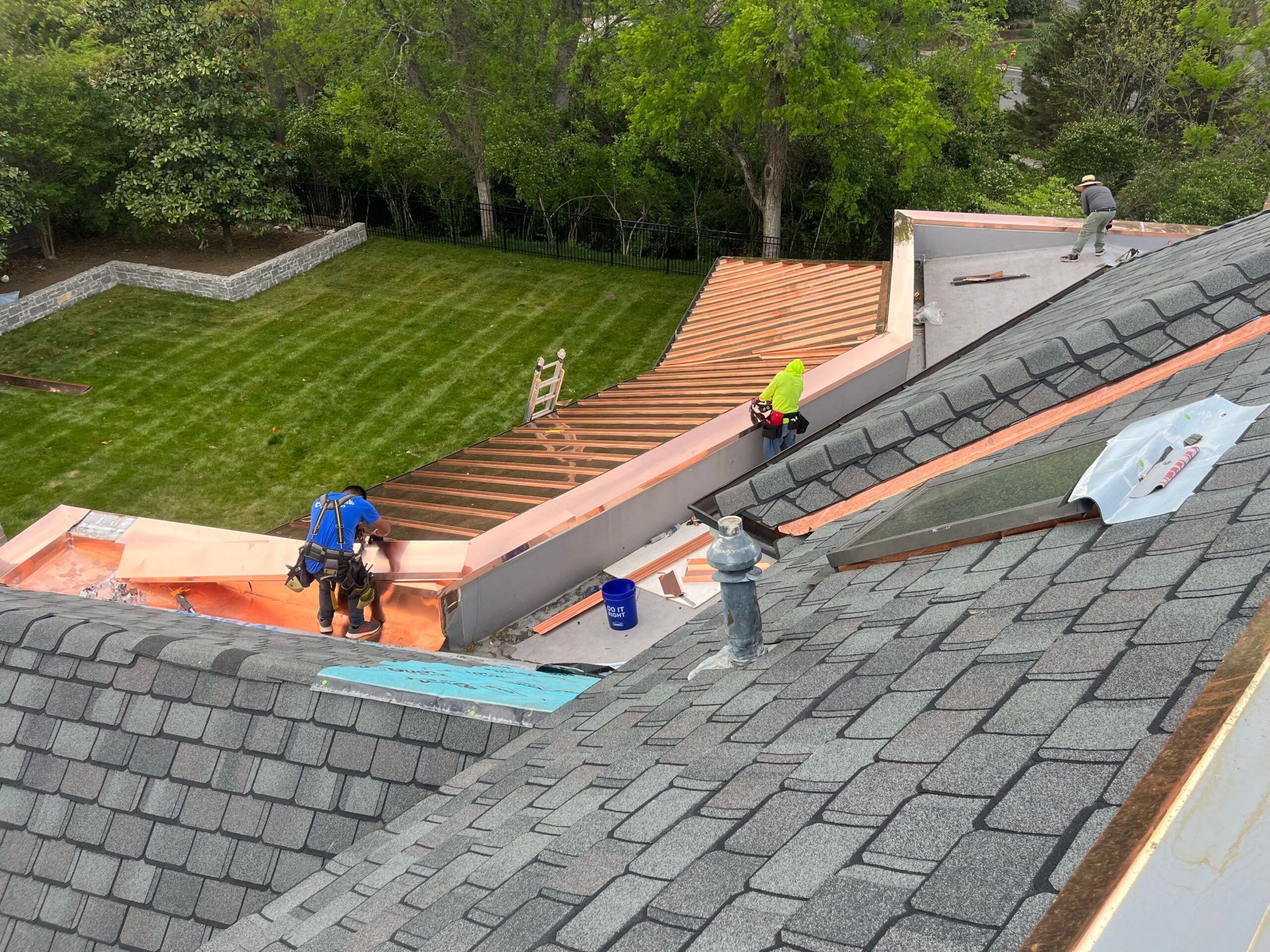
Expert Roof Underlayment Guidance Here in Nashville
Choosing the right underlayment is a technical decision, and you shouldn’t have to sort through it all alone. That’s where our team comes in. For the past decade, Metal Formers has been helping contractors, homeowners, and business owners right here in the greater Nashville area make these kinds of choices every single day. We understand the demands of our local climate and focus on providing materials that we know will perform.
We’ve built our reputation on supplying products we trust. Whether you need a robust synthetic underlayment for a new metal roof or a specialized peel-and-stick membrane for a leak-prone valley, we have a solution ready. Our selection of underlayment includes a full range of high-performance options:
- VB Synthetics Roof Underlayment – Defender, 6.5 Synthetic Felt
- VB Extreme SA for Hi-Temp, Ice & Water, Peel & Stick
Choosing the right underlayment is a foundational step for a strong, reliable roof that will stand the test of time. If you’re ready to talk through the specifics of your project, our expert team is here to help.
Fill out our online form, and we’ll get in touch with you as soon as possible to help you make the right choice.




Leave A Comment