
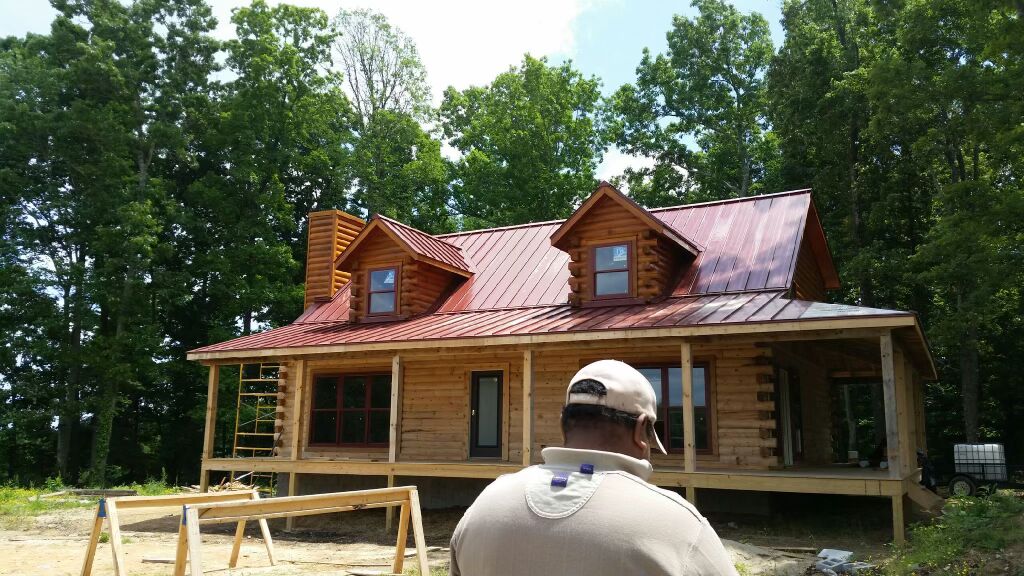
Roof flashing protects your home from water damage at every seam, joint, and edge where two roofing materials meet, whether that’s a wall, a chimney, or a vent. In areas like Nashville, Mt. Juliet, and Franklin, Tennessee, choosing the right type of flashing matters even more, since heavy rainfall, humidity, and rapid temperature changes put extra stress on these seals.
Without effective flashing, water finds its way into the exact areas it’s meant to protect, leading to leaks, structural damage, and costly repairs. Understanding what roof flashing is and how it works is the first step in keeping your home dry and secure.
What Is Flashing on a Roof?
Roof flashing is a vital roofing component, typically made from thin metal materials, designed to redirect water away from critical areas of the roof. Flashing materials can vary, including aluminum, copper, galvanized steel, and 24, 26, and 28 gauge steel, each with its own advantages. Its purpose is to prevent leaks and water damage at joints, penetrations, and edges.
Flashing is almost always installed under the shingles on the high side and over the shingles on the low side to ensure water flows down and away. For example, flashing at a wall is layered with the shingles (step flashing) to create a barrier. It acts as a seal, bridging the gaps between roofing materials and adjoining structures (like walls, chimneys, or vents). This is necessary for maintaining the structural integrity of your home and ensuring safety. Proper installation ensures an effective seal, reducing the risk of leaks and potential damage.
The 9 Common Types of Roof Flashing
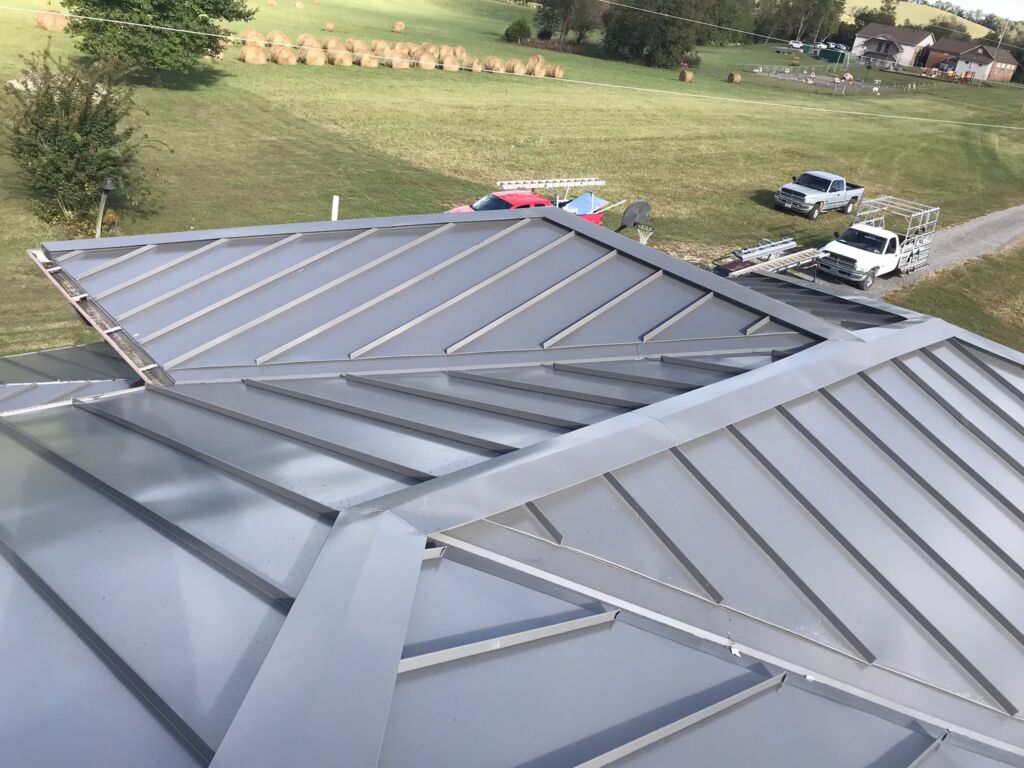
Knowing the various roof flashing types can help you determine what you need for your roof. Each type serves a unique purpose, protecting different roof areas such as intersections and edges.
- Step Flashing: This L-shaped flashing is used where a sloped roof meets a side wall, such as the wall of a dormer. It is installed in an overlapping “step” pattern, interwoven with the shingles to direct water away from the wall.
- Counter Flashing: Provides an extra waterproof layer at vertical junctions, often made from durable materials like 24, 26, and 28 gauge steel, galvanized steel, aluminum, or copper.
- Drip Edge Flashing: Installed along the eaves and rakes of a roof, a drip edge guides water away from the fascia and into the gutters. This protects the underlying wood from rot and prevents water from wicking up under the shingles.
- Valley Flashing: This is placed in the “valleys” where two sloped roof planes meet. Because a large volume of water is channeled here, this “W”-shaped metal flashing is vital for preventing leaks in this high-risk area.
- Chimney Flashing: A complex flashing system that involves multiple components (like base, step, and counter flashing) to create a watertight seal around the base of a chimney, which is one of the most common leak points on a roof.
- Vent Pipe Flashing: A pre-formed flashing boot that slides over plumbing vents and other pipes protruding from the roof. It has a flange that is integrated with the shingles to seal the penetration.
- Skylight Flashing: These are often sold as kits with the skylight itself. This flashing is custom-fitted to the skylight’s curb and integrates with the roofing material to prevent water from leaking around the edges.
- Headwall Flashing: Also known as apron flashing, this is a single, continuous piece of flashing installed where the top of a sloped roof meets a vertical wall.
- Kickout Flashing: A small but important piece of flashing placed at the very bottom of a roof-wall intersection. It is designed to “kick” water away from the wall and into the gutter, preventing it from running down the side of the house.
Each of these roof flashing types plays a critical role in preventing water intrusion.
Why You Need Roof Flashing
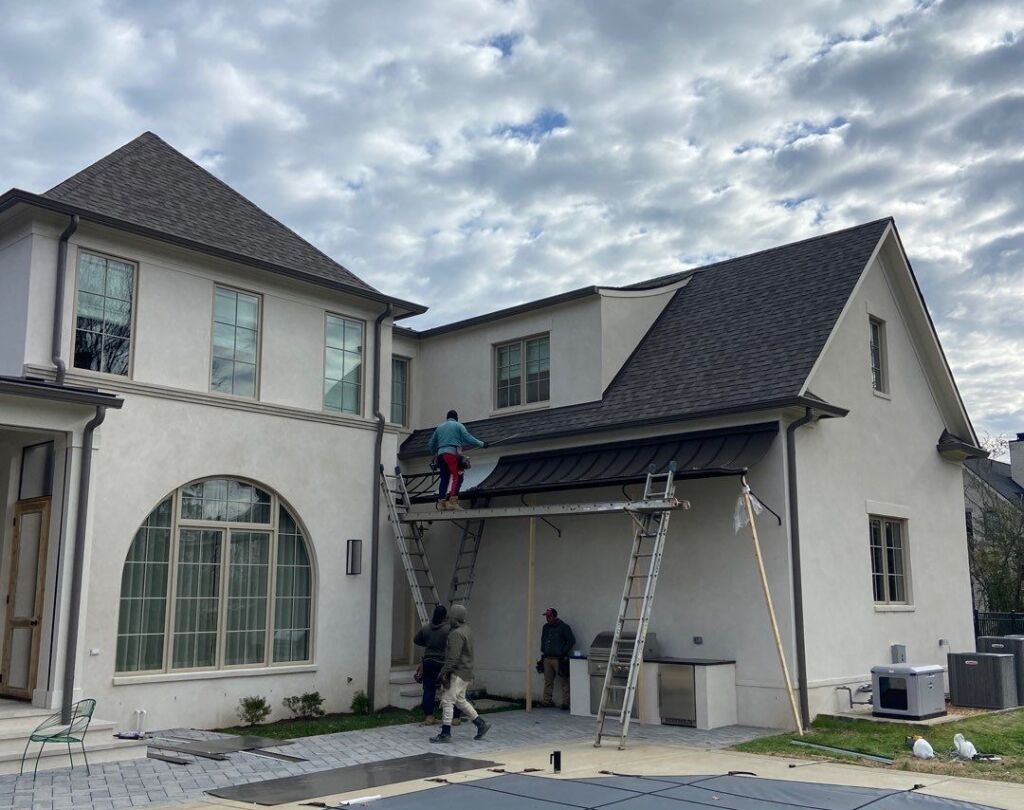
Roof flashing offers numerous benefits that contribute to the overall health and longevity of your roofing system. Here are some key advantages:
- Leak Prevention: Roof flashing acts as a barrier that directs water away from seams, joints, and vulnerable areas, significantly reducing the risk of leaks and water damage.
- Enhanced Durability: By protecting critical points on the roof, flashing helps maintain the structural integrity of the roofing system, extending its lifespan and reducing the need for frequent repairs.
- Improved Energy Efficiency: Properly installed flashing prevents water infiltration that can lead to insulation damage, thereby maintaining the energy efficiency of your home.
- Versatility: Available in various materials such as galvanized steel, aluminum, and copper, roof flashing can be tailored to suit different roofing materials and styles, ensuring a seamless integration with your home and lifestyle.
- Aesthetic Appeal: High-quality flashing materials like copper can add a distinctive look to your roof, enhancing the overall aesthetic appeal of your home.
Investing in effective roof flashing not only protects your home from water damage but also contributes to its overall safety, efficiency, and value.
Comparing the Best Roof Flashing Materials
Choosing the right flashing material is essential for long-term roof performance. 24, 26, and 28 gauge steel, galvanized steel, aluminum, and copper are commonly used for metal roof flashing, each offering unique benefits. Modern roofers prefer these materials for their durability and performance over traditional lead. Here’s how the different materials compare:
24, 26 & 28 Gauge Steel
- Strength and Thickness: The lower the gauge number, the thicker and stronger the steel.
- Durability: No matter the gauge of galvanized steel they offer reliable protection against corrosion and weather.
- Long-Lasting Performance: Even with thinner gauges of steel, galvanized steel provides dependable long-term performance and consistent protection against weather because of its zinc coating which acts as a barrier to moisture.
Galvanized Steel Flashing
- Corrosion Resistance: Known for its excellent corrosion resistance because of a special, protective zinc coating applied to the surface
- Flexibility: Easily shaped and fitted around roof structures.
- Visual Enhancement: Enhances the overall look of the roofing system with a sleek, modern appearance.
Aluminum Flashing
- Accessibility: Lightweight and easy to work with, making it a popular choice among roofers.
- Specialized Coating: Requires a coating when used with masonry to prevent degradation from alkaline substances.
- Budget-Friendly: Offers good performance in many roofing applications due to its ease of installation and flexibility.
Copper Flashing
- Aesthetic Appeal: Complements roofs and fixtures made of the same material, like copper roofs.
- Durability: Highly durable, lasting longer than aluminum or galvanized steel.
- Unique Look: Turns green over time due to oxidation, adding a distinguished and elevated appearance.
Understanding Roof Flashing Sizes and Sealants
Beyond the material type, roof flashing sizes and sealant used are important for a successful installation.
Flashing Sizing
The size of the flashing depends on its location and the roofing materials. For example, step flashing pieces are typically 10 inches long and at least 2 inches wider than the shingle exposure. For standard shingles with a 5-inch exposure, a 10-by-8-inch flashing piece is common. Plumbing vent flashing must be sized to match the diameter of the pipe.
Sealant Types
A sealant is used to create a final waterproof seal, but it is not a substitute for proper installation. The most common sealant used with flashing is roofing cement. This is an asphalt-based product applied with a trowel to seal seams and nail heads, providing a durable, flexible barrier.
What’s the Best Roof Flashing for Middle Tennessee Homes?
In Middle Tennessee, including Franklin, Mt. Juliet, and Nashville, homes often face heavy seasonal rains and humidity, making selecting roof flashing materials like aluminum or galvanized steel ideal due to their durability and rust resistance, which is especially important.
Contractors in the Nashville area also frequently use step flashing and drip edge flashing to meet local building codes and keep water out of roof valleys and edges.
Effective Roof Flashing Techniques
Effective flashing on the roof prolongs your roof’s life and reduces repair costs. Proper installation can help you ensure the longevity of your roof by ensuring the protective seal from flashing is secure. Techniques like step flashing, which alternates shingles and flashing, ensure proper water management.
Installing Step Flashing
Step flashing installation includes preparation, positioning, securing, sealing, and inspection. Flashing is nailed into the roof deck and covered with shingles for a watertight seal, further secured with asphalt cement. Step flashing should extend 8 to 14 inches above shingles, with overlapping shingles covering it completely to prevent water infiltration.
Applying Roofing Cement
Roofing cement is the element that creates a waterproof seal in roof flashing. Professionals apply it generously with a trowel to form a durable, flexible barrier around the flashing. Well-applied roofing cement provides long-lasting leak protection and maintains flashing effectiveness.
Top Common Roof Flashing Issues and Solutions
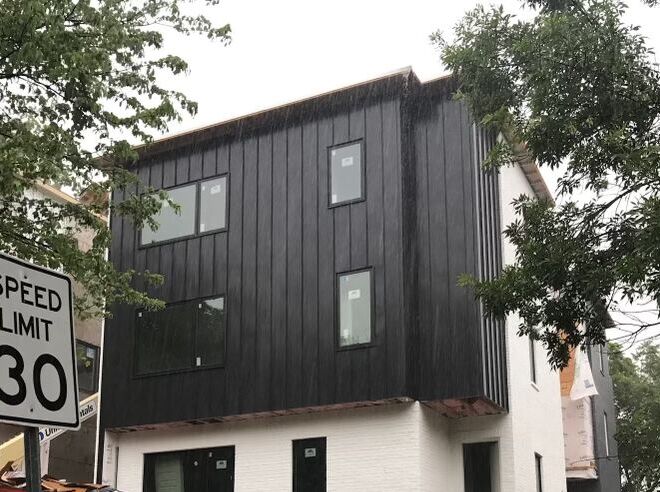
When flashing on roof systems fails, homeowners may notice mold, roof wrapping, or ceiling stains. Failure is often caused by improper installation, openings in the seal, or age. Common roof flashing issues include:
- Corrosion and Rust: This is common with galvanized steel flashing as the zinc coating wears off over time. Rust can create small holes that allow water entry.
- Cracks and Holes: Physical damage from hail, high winds, or falling debris can puncture the flashing.
- Bending and Warping: Flashing can pull away from the roof or wall due to thermal expansion and contraction or improper fastening. This breaks the waterproof seal.
- Improper Lapping: If flashing sections are not overlapped correctly, wind-driven rain can be forced underneath them.
- Loose or Missing Sealant: The roofing cement or caulk used to seal flashing edges can dry out, crack, and fall away, creating an entry point for water. Detecting flashing leaks early prevents significant damage. Water stains on ceilings, water pooling around chimneys, and damp attic spaces often indicate a leak. You can perform a visual inspection from the ground (with binoculars) or have a professional. Look for any visible rust, gaps, or flashing pieces that appear loose.
Detecting Flashing Leaks
Water stains on ceilings, water pooling around chimneys, and damp attic spaces often indicate flashing leaks. Spotting these signs of flashing leaks early prevents significant roof and home damage. You can ensure your flashing stays effective by regularly inspecting your flashing for gaps or cracks and performing regular maintenance.
Repairing Damaged Flashing
Signs for repair include flashing deterioration and visible leaks or damage. Aluminum flashing in coastal areas should be coated to prevent corrosion.
Improper DIY repairs may invalidate roofing system warranties, so make sure to contact the installation company before you start repairs on your own. To ensure your flashing is properly repaired, you can hire a professional to examine and perform the repairs.
What Should Be Considered for the Proper Installation and Maintenance of Roof Flashing?
Some things to consider for proper installation and maintenance of roof flashing include:
- Selecting the appropriate flashing material for the roof
- Check the vent pipe’s diameter to ensure the pipe creates a watertight seal
- Always check that the roof’s surface is clean and dry prior to the installation of flashing
- Ensure the right fasteners are used, like nails, screws, or adhesives
What Functions Does Cap Flashing Serve in Protecting Roof and Wall Edges from Water Damage?
Cap flashings help to protect the roof and wall edges from water damage by redirecting water flow that hits the roof towards, and over, the edge of the roof. These caps also protect vulnerable material, usually made up of wood or drywall, where the roof meets the walls, from erosion or water damage. If water damage or erosion occurs on a roof or wall edges, it can cause a huge headache, from damage repairs to higher energy bills.
When to Call a Professional Roofer
Hiring a skilled professional ensures proper roof flashing installation. Consult experienced roofers for flashing tasks like maintenance or inspections. If you have concerns, find a professional to address flashing issues and answer questions. Professionals can assess potential problems and recommend solutions, keeping your roof in optimal condition.
Complex Installations
Expert roofers assess whether existing flashing can be reused based on its condition and new roofing requirements. In severe damage cases, they may suggest repairing the roof flashing or replacing it.
Safety Concerns
While hiring a professional may be an upfront investment, improper DIY flashing installation can create costly repairs down the road. Professional roofers have the training and experience to ensure proper techniques, saving time and reducing costly repair risks. Professionals follow safety protocols to mitigate installation risks.
Warranty Considerations
The majority of roofing supplies come with warranty specifications that state a certified roofer has to perform the installation and maintenance to keep coverage. Installing or repairing your roof flashing on your own can void your warranty coverage, which can cause you to spend more money on repairs later on than if you had just used a licensed roofer in the first place.
Roof Flashing Essentials with Metal Formers
By investing in quality materials and professional installation, you can safeguard your home against leaks and structural damage. Remember, effective roof flashing not only enhances the durability of your roof but also contributes to the overall safety and value of your home.
At Metal Formers in Nashville, TN, we offer a variety of metal panels, trims, and flashings to make your metal roof look outstanding. By offering customized metal pieces and concealed fastening systems, your clients will have a high-quality roof to put their minds at ease. You can find more information about the metal fabrication options we provide online and view some of our residential roofing work.
If you have additional questions about Metal Formers and our products, feel free to connect with us online. For online orders, visit our order form page to download the order form for the products you need. Once completed, you will want to send your form to us via email at office@metalformersinc.com.
When it comes to protecting your roof from water damage to make your roof last, the team at Metal Formers is eager to assist you with any home improvement needs! We look forward to hearing from you.
Frequently Asked Questions About Roof Flashing
Does Flashing Go Over or Under Shingles?
One of the most common questions homeowners ask about roof flashing is whether it goes over or under shingles. The answer is both. Flashing must be installed in a way that water always flows over it and onto the next shingle. This means at the top of an object (like a chimney or skylight), the flashing goes under the shingles. On the sides, it is interwoven (step flashing). At the bottom, the flashing goes over the shingles.
Do You Nail or Screw Roof Flashing?
Roof flashing is typically secured with roofing nails. It is important to nail in the correct locations to avoid creating a leak. For instance, step flashing should be nailed to the roof deck, not the vertical wall, to allow for independent expansion and contraction. Screws are not typically used as they can back out and do not sit as flush.
What Does Bad Flashing Look Like?
Signs of bad or failing metal roof flashing include visible rust or corrosion, cracks or holes, and pieces that are bent, loose, or pulling away from the wall or roof. You may also see dried, cracked, or missing sealant at the edges. Internally, water stains on your ceiling or walls are a strong indicator of a flashing leak.
Can I Replace Roof Flashing Myself?
While some DIY repairs seem possible, replacing flashing is not recommended for most homeowners. Replacing metal roof flashing requires professional skill. Proper installation is complex and requires removing shingles, correcting lapping, and proper sealing. A mistake can lead to significant water damage.
Does Homeowners Insurance Cover Roof Flashing Repair?
This depends on the cause of the damage. If the flashing was damaged by a covered peril, such as a hailstorm or a tree branch falling, homeowners’ insurance will likely cover the repair (minus your deductible). However, if the flashing failed due to old age, rust, or improper installation, it is considered a maintenance issue and is not typically covered.




Leave A Comment