
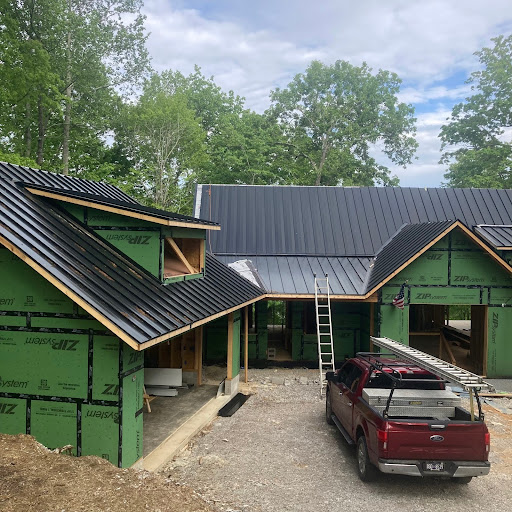
Metal roofing has long been a top choice for commercial buildings, and in recent years, more homeowners are choosing metal over shingles or other materials. Its long lifespan, low maintenance, reliable protection, and added property value make metal roofing an appealing option, especially in regions like Tennessee, where unpredictable storms and seasonal weather changes make durability essential.
Contractors and builders in the greater Nashville area are increasingly being asked to install residential metal roofing systems. Understanding the differences between commercial and residential metal roofing systems is crucial to avoid safety, compliance, warranty, and installation issues.
In this guide, the metal roofing experts at Metal Formers, Inc. explain how each system works, compare their design features, discuss what drives cost differences, guide you in choosing the right system for your roofing project, and answer frequently asked questions your clients might have about metal roofing.
Overview of Metal Roofing Systems
Commercial Metal Roofing Systems
Commercial metal roofing is engineered for large surface areas, long panel runs, and low-slope performance. These systems must handle drainage, span capability, and structural load differently from residential roofs.
Commercial Panel Profiles and System Requirements
Commercial buildings often require structural panels, heavier gauge steel, and mechanically seamed systems. Long spans and low-slope conditions determine panel geometry and fastening requirements. Coated steel and specialized finishes are commonly used when corrosion resistance or environmental exposure is a concern.
Installation and Jobsite Requirements for Commercial Roofs
Commercial projects demand careful material staging, precise alignment across long distances, and coordination with insulation or roof-mounted equipment. Crews often need lift equipment, such as cranes, to safely position long panels. Water management is the priority on low-slope roofs, so proper seaming, fastening, and panel direction are critical to long-term performance.
Why Commercial Clients Should Choose Metal Roofing
Metal roofing is the best choice for a commercial building because it reduces long-term maintenance requirements, supports energy-efficiency goals, resists weathering, and withstands the operational demands of large buildings. For business owners, metal roofing is a long-term investment that protects assets, reduces operational costs, and provides stable performance across a wide range of building types.
Residential Metal Roofing Systems
Residential metal roofing is designed for pitched structures, architectural visibility, and long-term weather protection. These systems must balance performance with homeowner expectations while still giving contractors materials that install predictably.
Residential Panel Profiles and System Requirements
Residential projects often use standing seam panels, metal shingles, or stamped metal profiles. Standing seam is used on most pitched structures because it sheds water effectively and supports consistent install quality.
Stamped and shingle-style profiles are selected when the project calls for a more traditional appearance without sacrificing strength. Residential systems typically use lighter gauges because spans are shorter and structural requirements differ from those in commercial applications.
Installation and Jobsite Requirements for Residential Roofs
Residential jobs require accurate panel sizing, clean transitions at ridges and valleys, and reliable flashing components for dormers, chimneys, and roof intersections. Contractors need materials that install efficiently with minimal on-site adjustments.
Fast turnaround times for panels and custom flashings help keep residential schedules moving, especially when weather or homeowner timelines are tight. Finish quality and color consistency matter because the roof is visible from the ground.
Why Homeowners Should Choose Metal Roofing
While asphalt is still a good roofing material choice for residential properties, especially those on a tighter budget, homeowners should choose metal roofing because it provides a longer service life, strong protection in varied weather, and consistent performance with very little maintenance.
Metal also supports better energy control by reflecting heat and reducing attic temperatures, thereby improving overall home efficiency.
Key Differences Between Commercial and Residential Metal Roofing
Residential and commercial metal roofing systems share similar base materials, but their design requirements and installation methods differ.
Roof Slope and Structural Design
Residential roofs typically have steeper slopes, which pair well with standing-seam or metal-shingle systems. Commercial buildings have low-slope or flat roofs that require panels engineered for controlled water flow and long spans. The slope determines the panel type, seaming method, and fastening approach.
Material and Panel Requirements
Residential panels often prioritize style and finish. Commercial systems rely on heavier-gauge metal and long-span panels that deliver strength for large structures. Performance requirements drive material selection in commercial work, while design preferences often guide residential choices.
Installation Methods and Timelines
Residential installations tend to move faster because they cover smaller areas. Commercial projects require more detailed planning, larger crews, and specialized equipment. Alignment, fastening, and water management scale differently when dealing with long panel runs or flat surfaces.
Cost Factors
Metal roofing costs vary based on structure type, material thickness, panel length, and installation requirements.
Residential costs depend on the metal type, finish, panel profile, roof pitch, and whether the existing roof must be removed. Specialty colors and architectural details can raise cost but provide a cleaner, more professional result.
Commercial pricing depends on building size, panel gauge, insulation needs, and equipment requirements. Large buildings often require long panel runs, cranes or lifts, and additional labor, which increase overall project cost.
Commercial vs Residential Metal Roofing Comparison Chart
| Category | Residential Metal Roofing | Commercial Metal Roofing |
| Typical Roof Slope | Steep slope | Low slope or flat |
| Primary Goals | Appearance and long-term home protection | Structural performance and durability |
| Common Materials | Standing seam, metal shingles, stamped panels | Heavy gauge steel, large panels, industrial coatings |
| Project Size | Smaller surface area | Large-scale and wide spans |
| Installation Needs | Simple and fast for most projects | More planning, equipment, and labor |
| Cost Drivers | Material selection and roof complexity | Gauge, span, installation method, and building design |
Benefits of Metal Roofing for Any Property
Metal roofing delivers clear advantages across both residential and commercial applications.
Longer Lasting
Metal roofing offers a significantly longer service life than traditional materials, often 2 to 3 times that of standard asphalt shingles. Metal roofing systems maintain structural integrity and appearance for decades when properly installed with the right underlayment and other building materials, such as metal flashing.
Reduced Maintenance
Metal roofs require minimal upkeep once in place. Fasteners, panels, and coatings hold up well over time, which reduces callbacks and long-term repair costs for both homeowners and business owners.
More Durable
Metal roofing performs well in challenging weather conditions because of its strength and impact resistance. Quality metal panels resist high winds, shed snow and debris efficiently, and do not degrade from heat or sun exposure the way traditional materials do. These characteristics make metal one of the most dependable options for long-term weather performance when correctly specified for the environment and impact conditions.
Energy-Efficient
Metal roofing reflects heat and reduces thermal transfer into the structure, especially when using high-reflectance (cool roof) finishes. This helps stabilize attic temperatures in homes and improves energy control in commercial buildings. Better roof performance supports lower cooling demands and improves overall efficiency.
Environmentally Friendly
Metal roofing often contains recycled content and can be fully recycled at the end of its service life. Its long lifespan also reduces the volume of roofing waste compared to systems that need more frequent replacement.
Increases Property Value
Both residential and commercial properties benefit from the added value of a roof that lasts longer, performs reliably, and improves overall efficiency. Metal’s durability and low-maintenance profile are strong selling points for buyers.
Clean, Modern Appearance
Metal roofing provides a professional, streamlined look for commercial buildings and a modern architectural finish for homes. The wide selection of profiles and colors allows contractors to meet client design expectations without sacrificing performance.
How to Choose the Right Metal Roofing System
Choosing the correct metal roofing system begins with understanding the project’s structure and performance requirements.
Metal Roof Considerations for a Residential Project
Contractors should consider roof pitch, architectural style, and homeowner preferences. Standing seam and metal shingles remain popular because they provide clean lines, strong durability, and efficient installation on steep slopes.
Metal Roof Considerations for a Commercial Project
Commercial projects require systems that can manage low slopes, wide spans, and building-specific requirements. Panel gauge, panel length, and water management strategies should drive the decision. The goal is consistent performance across a large surface area.
What Contractors Should Know Before Starting a Residential or Commercial Metal Roofing Project
Contractors often work in both residential and commercial settings, but each project type requires different planning and job-site considerations.
- Equipment and crew needs: Commercial projects may require lift equipment, cranes, and larger crews to handle long panel runs and heavy-gauge materials. Residential projects typically use smaller teams and lighter equipment.
- Material handling and staging: Commercial roofs need more staging space and careful alignment of long panels. Residential deliveries are easier to stage and move around the site.
- Installation timelines: Residential roofs can often be completed quickly. Commercial buildings require longer installation windows due to their scale, complexity, and integration with other trades.
- Bid planning and scheduling: Commercial jobs involve larger material orders, more coordination, and more detailed timelines. Residential bidding focuses more on design details, color options, and architectural features.
- Code compliance and safety: Commercial projects often require additional safety measures, perimeter protection, and adherence to low-slope installation standards. Residential projects follow typical steep-slope requirements but still require accuracy in flashing and transitions.
Understanding these differences helps contractors and builders plan more efficiently and avoid delays or costly adjustments once the project begins. For more guidance on the components you might need during your metal roofing projects, read:
- The Ultimate Metal Products List for New Construction
- Choosing the Right Metal Accessories for Your Construction Project
- A Guide to Selecting the Right Underlayment for Your Building Project
Frequently Asked Metal Roofing Questions
Your customers will likely have questions when choosing a metal roof. Here are some of the most commonly asked questions you might hear during residential or commercial roofing projects.
How much more expensive is metal roofing compared to shingles?
Metal roofing usually has a higher upfront cost than shingles. However, it offers a longer lifespan, reduced maintenance, and improved energy performance, often lowering the long-term cost of ownership.
Are metal roofs noisy in the rain?
A properly installed metal roof is not significantly louder than other roofing materials when installed over a solid deck with appropriate underlayment and insulation.
How long does a metal roof last?
Many metal roofs last several decades when installed correctly and maintained as needed.
Do metal roofs attract lightning?
Metal roofing does not attract lightning more than other roofing materials. If lightning strikes, the metal roof can typically safely dissipate the energy.
Can metal roofing be installed over shingles?
Often yes, depending on deck condition and local code requirements.
What is the cost difference between commercial and residential metal roofing?
Commercial systems are usually more expensive because they require heavier materials, longer panels, more labor, and specialized equipment.
Which metal roofing styles perform best in varied weather conditions?
Standing seam and coated steel panels perform well in areas with intense weather exposure.
Metal Formers, Inc: A Tennessee Metal Roofing Supplier Contractors Can Rely On
When you are working on a metal roofing project, it is essential to partner with a supplier who understands regional building codes, weather considerations, and contractor requirements.
At Metal Formers, Inc., located in Mt. Juliet, TN, we supply high-quality metal panels and custom fabrication for both residential and commercial metal roofing applications.
Our team has more than thirty years of experience in the metal roofing industry, serving contractors and builders throughout Tennessee, particularly in the greater Nashville region. Whether you are installing a steep-slope residential roof or a large-scale commercial system, our expert team can help.
Contact us to request a quote or speak with our team about materials for your next metal roofing project.




Leave A Comment