
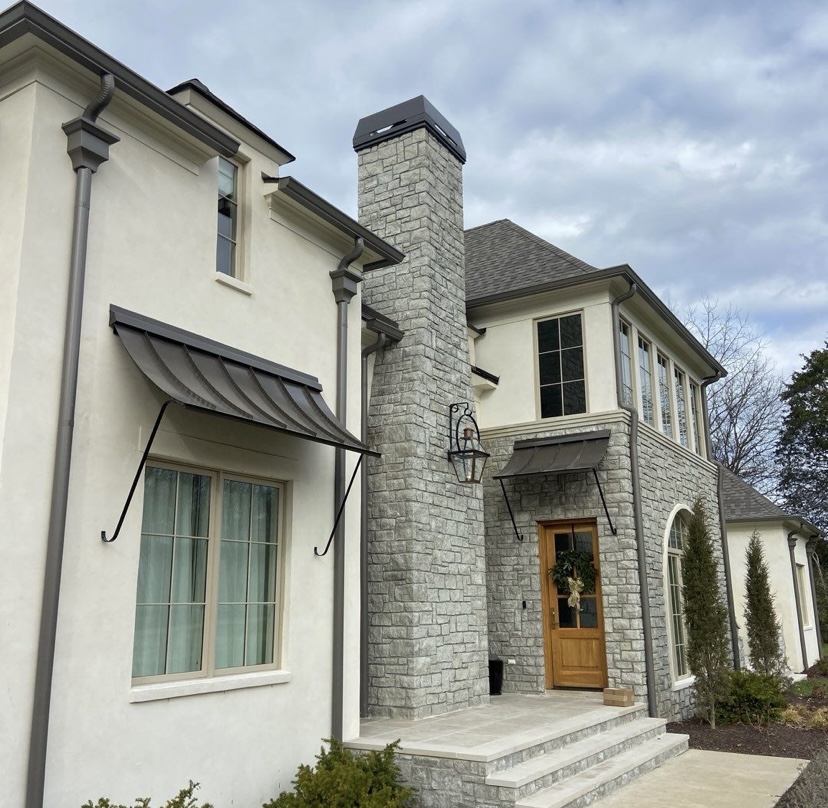
When deciding between metal and shingles, a guide to finding the right roofing material can help you navigate critical factors to consider. The team at Metal Formers, Inc. in Mt. Juliet, TN, has curated a guide to help you select the ideal roofing material for your next roofing project. Below, we will examine the pros and cons of the top two roofing materials: metal and shingles. We also examine the durability, energy efficiency, and installation aspects of both common options more closely.
By considering these factors, we aim to equip you to make the best decision the next time you’re working on a new roof.
Comparing Metal Roofs and Asphalt Shingles
When considering a new roof, metal roofing and asphalt shingles are two of the most popular options homeowners encounter. Both have distinct characteristics that can significantly influence your decision. Let’s take a closer look at what separates metal roofs from shingle roofs.
Benefits of Metal Roofing
Many homeowners invest in metal roofing for a variety of reasons, including its aesthetic appeal and renowned durability. Here is a more detailed breakdown of these key benefits that come with metal roofing:
- Impressive Lifespan: One of the primary advantages of a metal roof is its remarkable lifespan, which typically ranges between 40 to 70 years, far surpassing the longevity of traditional roofing materials. This extended lifespan can significantly enhance a home’s resale value, as buyers often prefer durable and long-lasting roofing options.
- Weather Resilience & Durability: Metal roofs are renowned for their exceptional durability, as they are highly resilient against strong weather conditions, including high winds and heavy snow. Since metal roofs can withstand these extreme conditions, this type of roofing material has a high impact resistance rating of Class 4 – one of the highest impact ratings for roofing materials.
- Aesthetic Options: Metal roofing is also available in a variety of styles and colors, making it an appealing option for homeowners. Because of these options, metal roofs can complement any architectural design, adding a touch of elegance and modernity to your home, while also honing in on
- Energy Efficiency: Reflecting heat is a key benefit of metal roofing that many homeowners can benefit from, as it can reduce cooling costs by up to 40%. This can lead to substantial savings on energy bills, making them an economically sound choice over time.
These benefits can also translate to minimal maintenance over time, making metal roofs a durable, long-term investment that is appealing to many.
Drawbacks of Metal Roofing
Despite their numerous advantages, metal roofs also have some drawbacks that homeowners should consider. First and foremost is the higher initial cost. Metal roofing is a significant investment, often costing more upfront than traditional materials, such as asphalt shingles. This can be a deterrent for budget-conscious homeowners.
Another concern is noise. Metal roofs can be noisy during rain and hail, which might be less favorable for sound insulation compared to asphalt shingles. However, proper underlayment or insulation can mitigate these noise levels.
Lastly, denting is a potential issue, especially with softer metals like aluminum and copper, which are susceptible to damage from hailstones or falling debris.
Types of Metal Roofing Materials
Metal roofing materials come in various types, each offering unique benefits and characteristics. Steel roofing is the most popular type, renowned for its exceptional strength and durability, making it a reliable choice for long-lasting roofing solutions. Aluminum is another favored option, particularly for corrugated and standing seam metal roofs, due to its corrosion resistance and lightweight nature.
Copper roofing is notable for its long lifespan and aesthetic appeal, as it develops a beautiful greenish patina over time. Stainless steel is also an excellent choice for resilience against extreme weather conditions, enhancing its appeal as a roofing material.
Benefits of Asphalt Shingle Roofing
On the flip side, asphalt shingles are also popular due to their cost-effectiveness and ease of installation. Here is a better breakdown of the advantages of shingle roofing:
- Cost: Asphalt shingles provide high performance at a lower initial expense, making them an attractive option for those working within a tight budget. The straightforward installation process also translates to lower labor costs. Being generally at a lower cost to install, asphalt shingle roofing can be a budget-friendly option for many homeowners
- Versatility: Another strong point of asphalt shingles is their versatility. This material can easily adapt to various roof shapes and styles, allowing for creative and personalized roofing designs. Similar to meeta roofing, asphalt shingles are also available in a wide array of colors, enabling homeowners to match their roofs to their home’s exterior.
- Fire Protection: Many asphalt shingles are rated Class A, offering excellent protection against fire hazards. This can bring peace of mind and comfort to homeowners.
- Ease of Repair: Asphalt shingles are easier to repair compared to more specialized roofing materials, allowing for simpler maintenance that requires minimal effort and offers longer-lasting performance.
Disadvantages of Asphalt Shingle Roofing
While asphalt shingles offer several benefits, they also come with their share of disadvantages. One major drawback is their shorter lifespan compared to more durable roofing materials. Typically, asphalt shingles last between 20 to 30 years, which is significantly less than the lifespan of metal roofs.
Environmental impact is another concern regarding the production of asphalt shingles. Asphalt shingles are also not biodegradable and can remain in landfills for hundreds of years, causing long-term environmental damage.
Similarly, the production and disposal of asphalt shingles can lead to leachate contamination of groundwater and soil, posing environmental and health risks. These factors make asphalt shingles a less eco-friendly option compared to metal roofing.
Types of Asphalt Shingles
Asphalt shingles are available in three main categories: three-tab shingles, architectural shingles, and multi-layer shingles.
The primary materials used in asphalt shingles include fiberglass, asphalt, ceramic granules, and other components, which contribute to their strength and weather resistance. Companies like Atlas Roofing manufacture all three types of asphalt shingles, offering a range of options to meet various roofing needs.
Installation Considerations for Metal and Asphalt Roofing
Installing metal roofing generally requires:
- Specialized skills and tools, leading to higher labor costs compared to asphalt shingles.
- Proper installation to prevent loose or missing fasteners that can compromise structural integrity and cause water infiltration.
- Consideration of thermal expansion and contraction, which can cause gaps and stress on metal roof components over time.
For asphalt shingles, installing them in cold weather can compromise their integrity during the application process. Proper tools and techniques for an effective shingle installation include:
- Using essential tools such as roofing nails and underlayment
- Placing nails at specific angles to prevent damage to the shingle’s surface
- Ensuring a secure installation through correct nailing techniques
It’s also important to keep in mind that installing a drip edge is crucial for directing water runoff and preventing potential water damage.
Cost Analysis
Labor costs for metal roof installation tend to be higher due to the complexity of the materials. However, the total cost of installation, including both materials and labor, is a crucial factor to consider when choosing between metal roofs and asphalt shingles.
Three-tab shingles are generally less expensive upfront, but architectural shingles can offer better long-term value due to their durability and longevity. Evaluating the overall costs, including potential energy savings and maintenance expenses, can help homeowners make a financially informed decision.
Aesthetic Appeal of Metal and Asphalt Roofing
The aesthetic appeal of your roof can significantly impact your home’s curb appeal. Copper roofing is well-known for its durability and longevity. It also develops a beautiful greenish patina as it ages. The choice of roof shingle color also plays a crucial role, as lighter colors reflect sunlight and darker shades absorb heat, influencing both curb appeal and energy efficiency.
Let’s say you are into the farmhouse style look, then a metal roof can complement this aesthetic beautifully. Or if you want you’re home to have a more classic look, then you can never go wrong with traditional asphalt shingles!
Choosing the right shingle color can significantly enhance a home’s resale value by improving its visual impact and attractiveness to potential buyers. Homeowners should consider local regulations and HOA guidelines when selecting shingle colors to ensure compliance and maintain the neighborhood’s aesthetic.
Choosing the Right Roofing Material Option for Your Home and Region
Selecting the right roofing material involves considering several factors such as climate and personal preferences.
For example, homeowners residing in southern states, which are more prone to extreme heat, thunderstorms, or severe weather, may want to consider metal roofing. Metal roofing is ideal for homes in the south due to its ability to withstand strong winds and hurricane-like conditions, while also reflecting the heat from the sun’s rays during the summer months. However, a metal roof can be noisier, which may not be ideal for homeowners.
Meanwhile, homeowners who are in drier, desert-like climates may want to consider either metal roofs or clay/concrete tiles for their roofs. Clay or concrete roofs have a natural thermal resistance and can work to keep the inside temperature of a home cooler. But it can be more challenging to install than a metal roof.
And if you’re a homeowner up north, where snowstorms and long winters are common, then either metal or asphalt roofing can help with snow buildup, while also working to keep your home warm indoors.
Ultimately, the best roofing option for your house will depend on your specific circumstances and priorities. By carefully considering all factors, homeowners can make an informed decision that enhances the value and comfort of their property with the help of an experienced roofer and a reputable roofing contractor.
Metal Panels and Construction Materials at Metal Formers, Inc.
In summary, both metal roofs and asphalt shingles offer unique benefits and drawbacks. By weighing these considerations, you can make an informed decision that best suits your home’s needs and your personal preferences.
At Metal Formers, Inc. in Mt. Juliet, TN, we are here to answer any questions you may have about metal panels for your next construction project. Contact us today to learn more about our metal roofing products and how we can assist you in your roofing project!




Leave A Comment